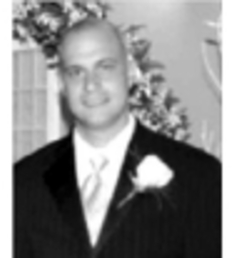
Graham Thomas, a 35-year-old man, was killed on the evening of October 26, 2011, in a double shooting inside the Gloucester Centre in Ottawa, Ontario. Thomas was a co-owner of the Caribbean Exposure tanning salon in the shopping centre, and the gunfire erupted at about 8:30 p.m. as businesses were nearing closing time. Thomas and another victim, Jason Chapman, were found fatally wounded in or near the salon.
Contemporary reports said both had been struck by gunfire to the head, while a witness in the mall recalled hearing approximately five shots.
The killings appeared to investigators and observers to have been deliberate rather than the result of a spontaneous confrontation. Later accounts described a gunman entering the mall when relatively few people were present, carrying out the shooting and then quickly escaping through an emergency exit. Thomas appeared to have been the intended target, while police reportedly believed Chapman, who was associated with Thomas and was described in some reports as his driver, may simply have been in the wrong place at the wrong time. The attack was widely characterized at the time as an execution-style shooting.
Thomas had a history that immediately became part of the homicide investigation. In 2000, he had been arrested during Project Cape, a major police operation targeting cocaine trafficking between Montreal and Ottawa. He later received a two-and-a-half-year prison sentence for his involvement in the drug network. Reporting based on police and other sources also linked him to individuals associated with the Hells Angels and Montreal's Rizzuto organized-crime network, although published accounts did not establish that either organization ordered or carried out his killing. By 2011, Thomas was living in Riverside South with his wife and young children while operating the tanning business.
At the time of his death, Thomas also had unresolved court matters. He was expected to appear as a witness in an intimidation proceeding shortly after the shooting, and he was facing a future court appearance on allegations that he had assaulted a man with a baseball bat. Those circumstances, his earlier drug conviction and his reported criminal associations gave investigators several possible avenues to examine, but authorities did not publicly identify a definitive motive for the murders.
The investigation continued beyond the immediate aftermath of the shooting. Later accounts reported that police seized roughly $15 million worth of drugs during an investigation linked to the Thomas-Chapman double homicide about a year after the killings. Despite that development, publicly available records do not show that anyone was charged with murdering Thomas or Chapman. No gunman has been publicly identified through an arrest, prosecution, trial or conviction, and the double homicide continues to be listed among Canada's unsolved murders.