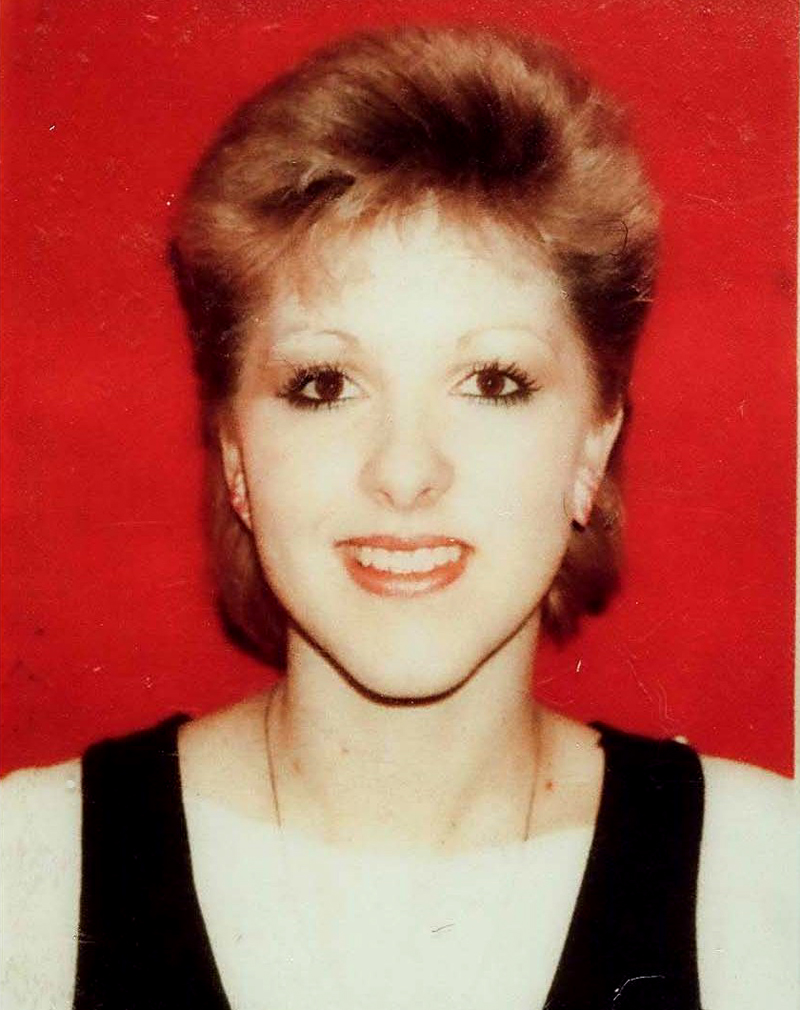
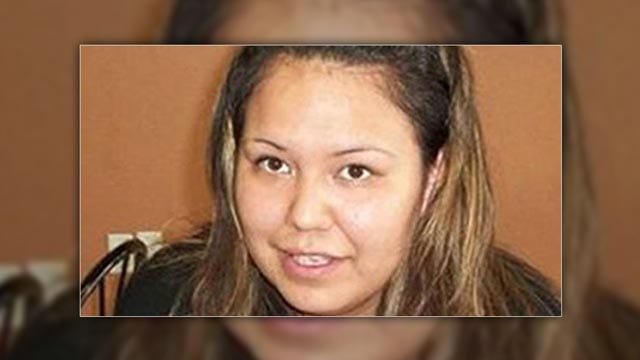
Brianna Danielle Torvalson, a 21-year-old woman from Edmonton, was found dead on February 21, 2008, in rural Strathcona County east of the city. Her body had been left in the snow beside a private driveway on an acreage near Township Road 534 and Range Road 220. Police quickly identified her and treated the discovery as suspicious; after an autopsy, investigators confirmed that her death was a homicide.
Authorities did not publicly disclose the cause of death, leaving many of the circumstances surrounding how she was killed unknown.
In the period before her death, Torvalson had been struggling with a serious crack cocaine addiction and had become involved in Edmonton's street and sex-trade community. Police said they did not know how long she had been working in the sex trade. She had not registered with Project KARE, an initiative that gathered information from people considered vulnerable in an effort to help investigators identify them or investigate if they disappeared. After her body was discovered, both Strathcona County RCMP and Project KARE became involved in the investigation.
People who knew Torvalson described a life that was more complicated than the circumstances surrounding her death. Her parents and sister said she was a loving and caring person who had hopes and dreams despite struggling with addiction and street life. Her family said her murder left a permanent void and urged other families not to give up on loved ones who were struggling.
One of the last publicly identified people to have seen Torvalson alive was her former friend Amber Gow. Gow told the Edmonton Sun months after the killing that she encountered Torvalson in Edmonton's Beverly area less than two weeks before the body was discovered. The two spoke briefly near 118 Avenue and 47 Street. Gow said the encounter stood out because Torvalson more commonly spent time around the Fort Road and 66 Street area.
Gow believed Torvalson may have known the person responsible for killing her. She described Torvalson as extremely wary of unfamiliar people, particularly while using drugs, and said that when Torvalson was involved in the sex trade she generally dealt with men she already knew. Gow also said their social circle included people capable of serious violence and that Torvalson sometimes took money from prospective customers without following through on what had been promised. Those statements offered investigators possible avenues to consider, but they were the observations of a friend rather than evidence identifying a particular killer.
Investigators appealed for information from anyone who had recently been in contact with Torvalson or knew about her movements before her death. The location where she was found also drew attention because other vulnerable women had been found dead in rural areas surrounding Edmonton. Project KARE was already examining numerous deaths and disappearances involving people considered to be living high-risk lifestyles, and Torvalson's homicide became part of that wider investigative effort.
Her death occurred at approximately the same time that Thomas Svekla was being tried for two other killings involvin