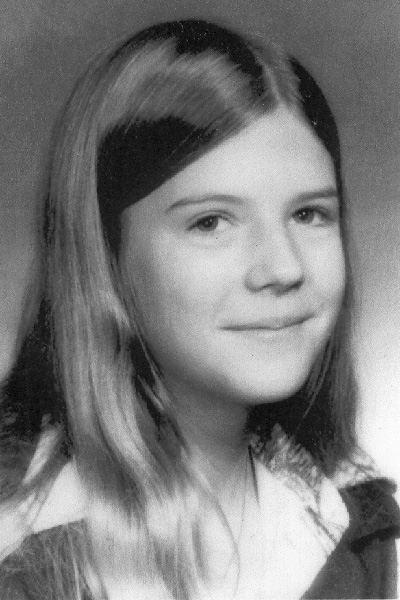
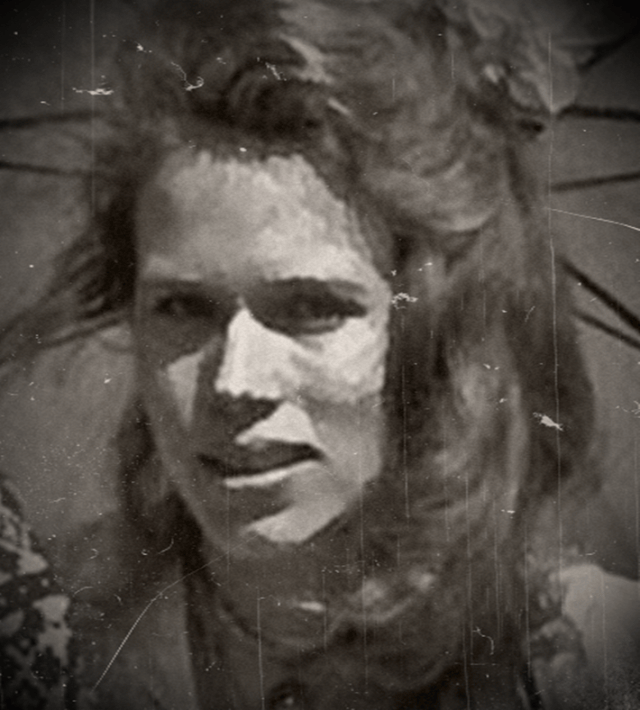
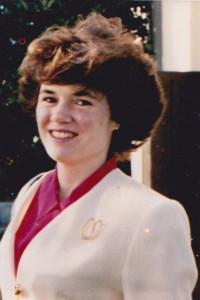
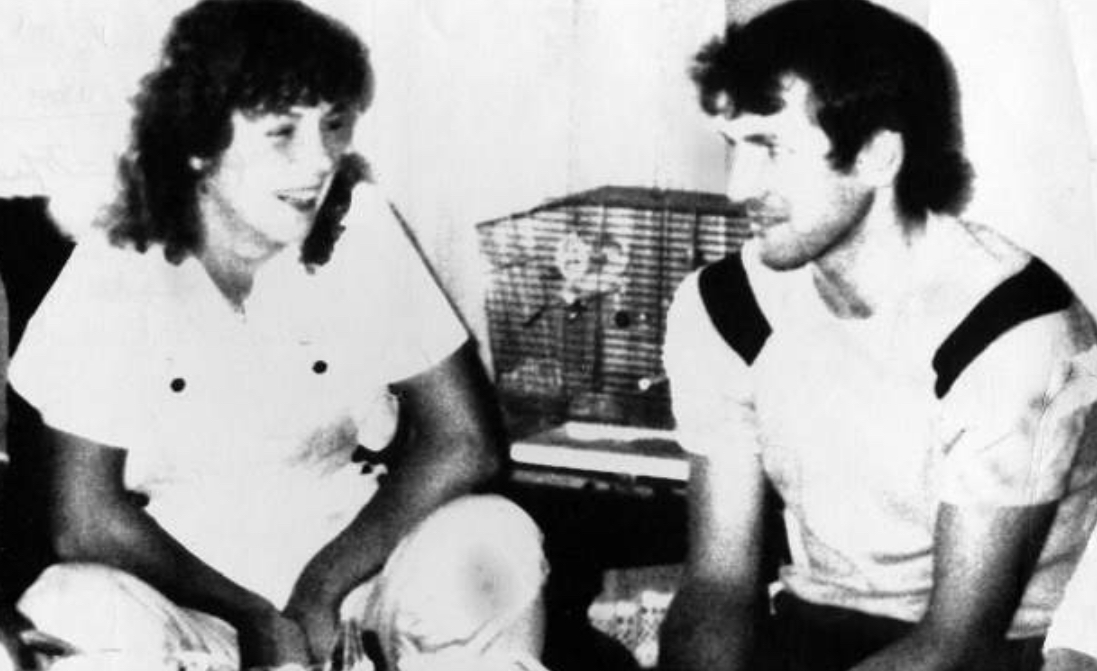
Sherri Lee Hiltz, a 44-year-old woman, was found dead on the morning of April 9, 2005, in a vacant lot in the 800 block of Surrey Avenue on the North Shore of Kamloops, British Columbia. She had reportedly been seen alive the previous evening along Tranquille Road. Investigators determined that she had been the victim of foul play, and later accounts described her death as resulting from severe blunt-force trauma to the head. Her identity was established through fingerprint examination.
Reports from the period described Hiltz as a mother who had been recovering from drug addiction and who was involved in the local sex trade. Her circumstances placed her among a particularly vulnerable group of women in Kamloops, and her killing came during a period in which police were investigating several violent deaths and disappearances involving women connected to the street-level sex trade. Despite those circumstances, investigators never publicly established a motive for her killing or identified what led to the fatal encounter.
The homicide drew particular attention because of the unsolved March 2004 killing of Shana LaBatte, another Kamloops woman involved in the sex trade. LaBatte had been found dead in the Mission Flats area, and the similarities between the cases led to questions about whether the two women might have been killed by the same person. Police investigated the cases amid broader concerns about violence against vulnerable women, but no direct connection between the killings was publicly established.
Other men who came under scrutiny in unrelated killings were also considered in discussions surrounding the Kamloops cases. Robert Balbar, who was ultimately convicted of murdering Heather Hamill, was later reported to have been ruled out in connection with the deaths of Hiltz and LaBatte. Thomas Svekla, who was arrested in Alberta and later convicted of another woman's murder, was investigated amid speculation that he might be connected to killings of sex workers elsewhere in Western Canada, but he was also ruled out in the Kamloops cases. Davey Mato Butorac, who was convicted of multiple murders in the Lower Mainland, likewise became the subject of speculation, but no evidence publicly tied him to Hiltz's death and no charge against him resulted from her case.
Years after the killing, Kamloops RCMP continued to describe Hiltz's homicide as an active, unresolved investigation. In December 2015, roughly a decade after her death, police renewed their appeal to the public, emphasizing that homicide files such as hers are not closed simply because years have passed. Investigators said they continued to examine existing information and follow new leads, believing that someone still possessed information capable of helping identify the person responsible.
No arrest has been publicly announced in connection with Hiltz's murder, no one has been charged or tried for killing her, and the available public record does not identify a current named suspect. As of the most recent reporting found, the homicide remains unsolved, leaving the central questions of who attacked her, why she was targeted, and what occurred during her final hours unanswered.