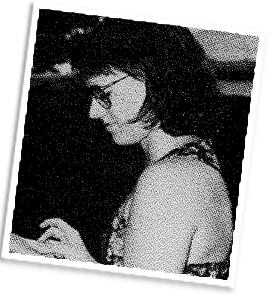
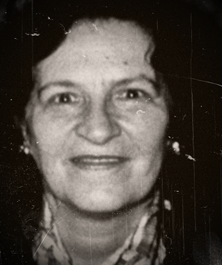
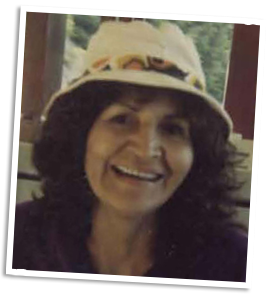
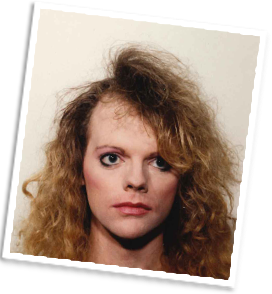
Jillian Blatchford Fuller was a 28-year-old White/Caucasian woman whose life ended in a homicide inside her Vancouver, British Columbia, apartment on March 4, 1993. Although an October date has sometimes been associated with the case, Vancouver Police records identify March 4 as the date of her death. In the early morning hours, a newspaper deliveryman noticed a fire at the apartment building at 8770 Granville Street and called 911.
Firefighters entered the burned apartment and discovered Fuller’s body. Investigators soon determined that she had been assaulted and killed before the blaze began, and that the fire had been deliberately set in an apparent effort to destroy evidence and conceal the homicide.
During the hours before the killing, Fuller had been in the area of the Fraser Arms Hotel at 1450 Southwest Marine Drive, only a short distance from her home. Police reconstructed her movements and determined that she was seen at the hotel around 12:30 a.m. and later at the Rock Cellar Pub downstairs between approximately 1:30 and 1:40 a.m. A waitress remembered Fuller wearing a pink sweater with red trim and carrying a pink-colored book. More importantly to the investigation, the waitress saw Fuller in the company of an unidentified man shortly before she disappeared from public view.
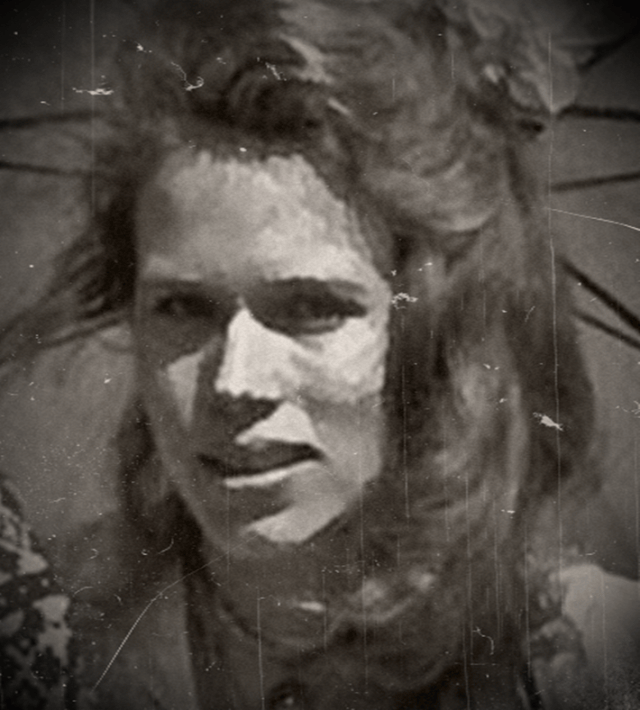
The unidentified man became a significant focus of the investigation. Accounts based on the police cold-case material described him as approximately six feet tall, with a dark complexion and curly hair. Investigators developed and publicly released a composite sketch in an effort to determine who he was. It has never been established publicly whether Fuller and the man actually left the pub together. Police considered the possibility that they had arranged to meet at her apartment afterward, or that she may have been followed home. The walk between the Rock Cellar Pub and her apartment was only a few minutes. The man seen with her has never been publicly identified.
The condition of Fuller’s apartment gave investigators another important clue. Police found no evidence of forced entry, leading them to believe she probably knew the person who entered her home or willingly allowed that person inside. Fuller lived alone at the time. Investigators examined people in her life and questioned several individuals who could have been considered possible suspects, but the investigation did not produce enough evidence to charge anyone. Contemporary reporting also noted that Fuller had previously been assaulted by drinking companions and that her father had described a former fiancé as having a lengthy criminal record, although police have never publicly identified either that former fiancé or any of those acquaintances as the person responsible for her murder.
Fuller had accomplishments that stood in sharp contrast to the circumstances surrounding her final months. She had studied French, played piano, competed as a runner and had once been ranked 23rd among Canadian women outdoor speed skaters. Those close to her described her as outgoing, compassionate and highly intelligent. She had also struggled with alcoholism and had previously lived in the Granville Street apartment with a man she met while receiving treatment, but she was living there by herself when she was killed.
A new and unusual lead surfaced later that year. On November 15, 1993, an anonymous typed letter postmarked in Washington, D.C., was sent to the Vancouver Police Department’s homicide investigators. The surviving publicly released portions show that the writer specifically referred to Fuller’s March 4 murder and the fact that no arrest had been made, then urged detectives to consider information that police have kept redacted. The writer said anonymity should not cause police to disregard what was being provided. Authorities later released images of the letter and envelope as part of the cold-case file, but they have never publicly disclosed the crucial redacted information or identified the author. Reporting on the reopening of Vancouver cold cases indicated that the letter urged investigators to consider a suspect, but it did not result in a publicly announced arrest.
Over the years, Vancouver Police repeatedly reviewed the homicide and appealed for anyone who remembered Fuller, the unidentified man, activity around the Fraser Arms Hotel, or suspicious activity near 8770 Granville Street to come forward. Detectives emphasized that old homicide investigations can change when relationships and loyalties shift or when witnesses who were once afraid or reluctant become willing to talk. Fuller’s case was eventually made one of the prominently featured investigations on the Vancouver Police Department’s cold-case website, complete with crime-scene photographs, locations connected to her last movements, the anonymous Washington letter and the composite sketch.
No arrest, criminal charge, trial or conviction has been publicly reported in connection with Jillian Blatchford Fuller’s killing. Vancouver Police continue to classify the case as an unsolved homicide and an ongoing file. The unidentified man seen with her shortly before the murder remains one of the most important publicly known figures in the investigation, but police have never announced that he was conclusively identified as the killer. More than three decades after the deliberately set fire brought firefighters to her apartment, the person responsible for Fuller’s death has not been brought to justice.