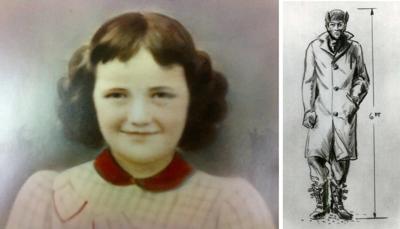
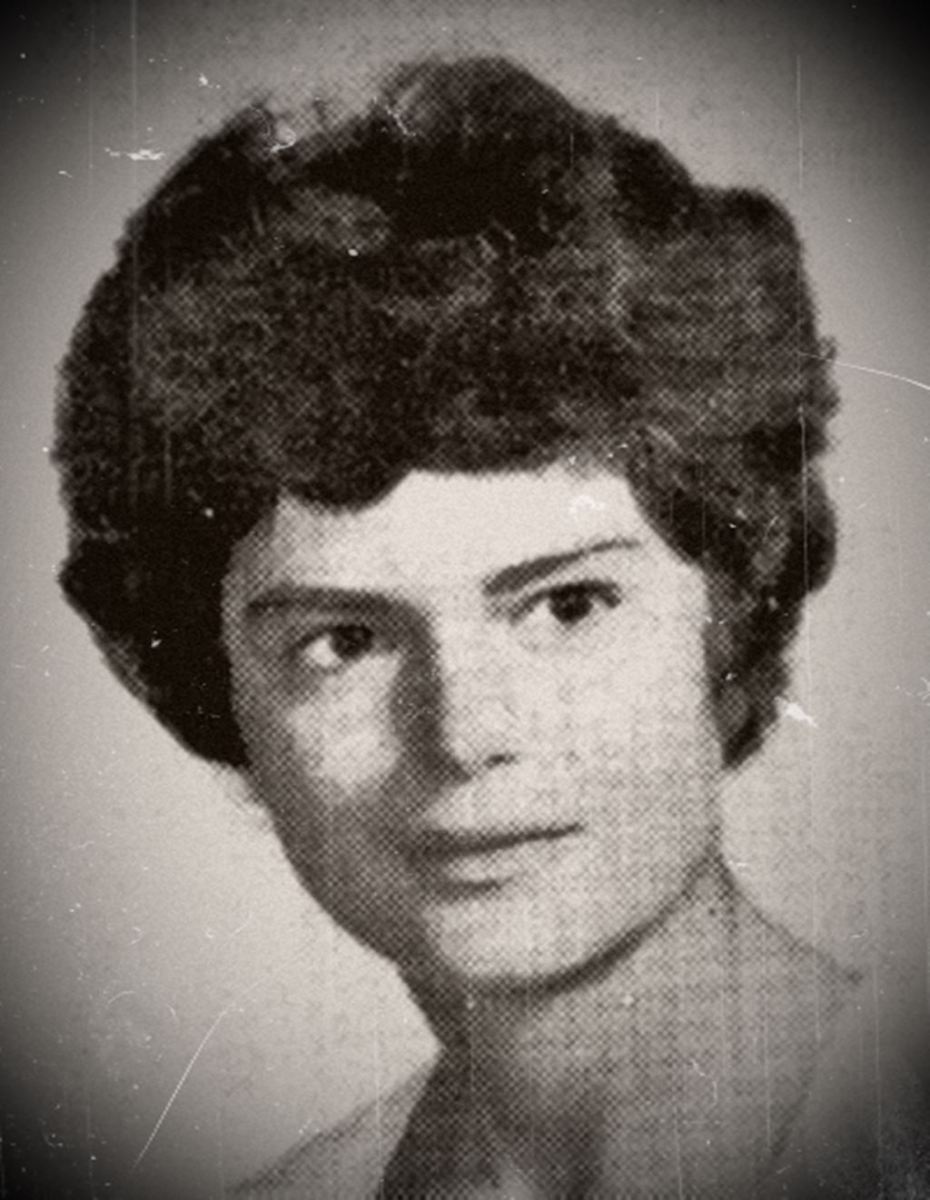
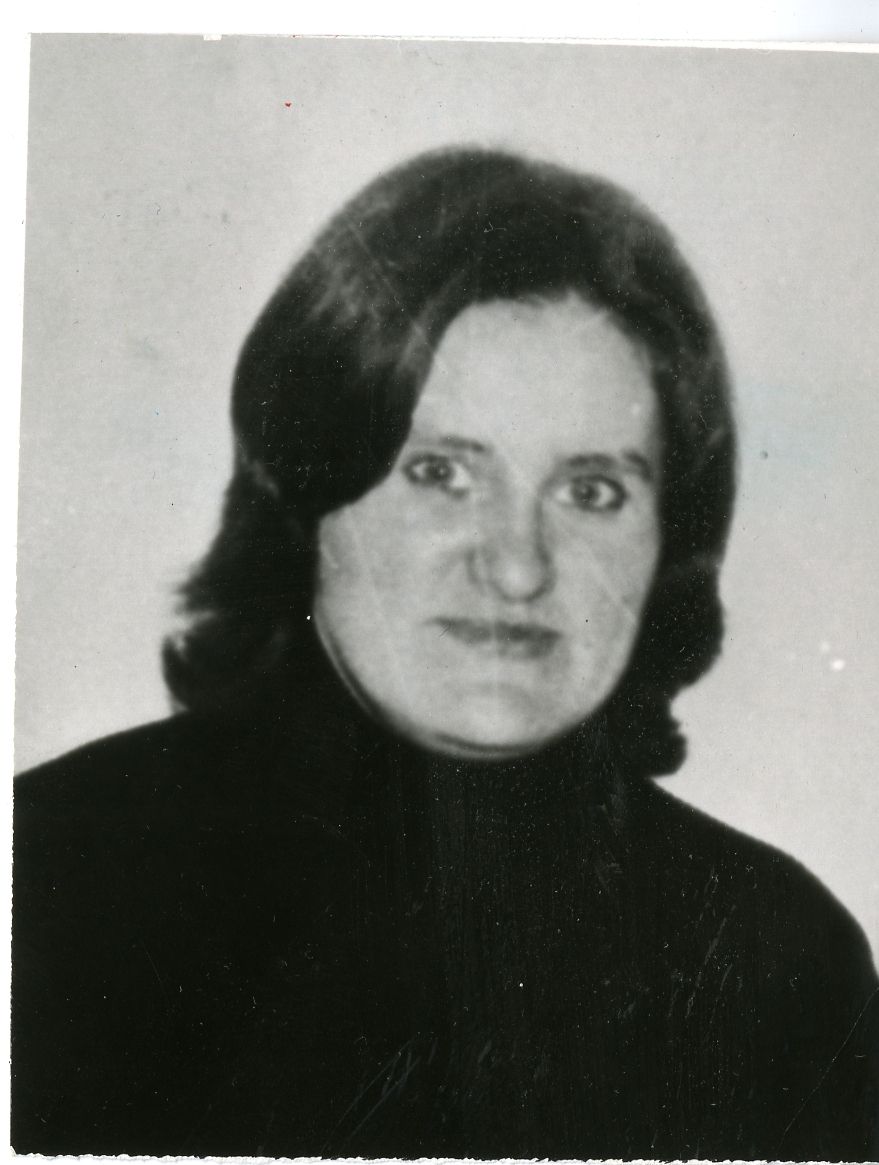
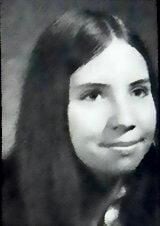
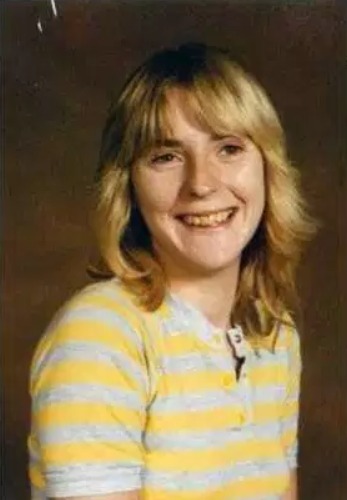
Beverly Lynn Smith was a 22-year-old woman living with her husband, Doug Smith, and their 10-month-old daughter, Rebecca, in the small community of Raglan, north of Oshawa, Ontario. On December 9, 1974, Doug left the family home to work an evening shift at the General Motors plant in Oshawa. Beverly remained home with their baby. Later that evening, when Doug tried to telephone and received no answer, he became concerned and contacted neighbours Alan and Linda Smith, who were not related to the
family, asking them to check on her.
Beverly was found lying on the kitchen floor inside the house. Her infant daughter was nearby in another room and had not been harmed. Investigators determined that Beverly had been shot once in the back of the head. An autopsy established that she had been killed by a. 22-calibre bullet, turning what initially may not have been immediately recognized as a shooting into a homicide investigation. The murder weapon was never recovered. Accounts of the investigation have also reported that there were no obvious signs of forced entry, raising the possibility that whoever entered the home may have been someone Beverly knew or willingly admitted.
The investigation soon became complicated by circumstances surrounding the household. Doug was known to have been involved in selling marijuana, and police explored whether the killing might somehow have been connected to drugs or people associated with that activity. Several people were examined over the years. One was Doug Daigle, identified in later accounts as one of Doug's drug contacts. Investigators looked closely at him after receiving information suggesting possible involvement, but the investigation did not produce evidence sufficient to prosecute him for Beverly's murder.
Alan Smith, who had lived across the road from Beverly and Doug at the time of the killing, eventually became the central suspect. He and his then-wife Linda had been among the people who went to Beverly's house after Doug became worried that night. Decades later, Durham Regional Police reopened the cold case and conducted extensive new interviews. Information obtained during that renewed investigation focused attention on Alan, and on March 17, 2008, police arrested him and charged him with second-degree murder. He was in his mid-50s by then and living in Cobourg. Alan maintained that he had not killed Beverly.
The 2008 prosecution soon began to unravel. Linda Smith had provided information during the reinvestigation, but questions arose about the reliability of statements police had relied upon. Linda herself was charged with obstructing the police investigation. On July 31, 2008, prosecutors withdrew the murder charge against Alan Smith, concluding that the case could not proceed on the evidence then available. Alan was released, but investigators did not abandon him as a suspect.
Police subsequently launched an elaborate undercover operation known as Project Fearless. It developed into a variation of a "Mr. Big" sting, in which undercover officers posed as members of a criminal organization and gradually developed a relationship with Alan. The operation involved staged drug and firearms transactions and even a simulated killing in which Alan was made to believe that an undercover associate had murdered a drug dealer. Investigators hoped the manufactured criminal environment would persuade him to disclose what he knew about Beverly's death.
During the operation, Alan gave investigators changing accounts of the homicide. At one point he claimed another man, David Maunder, had killed Beverly while Alan was involved in stealing marijuana. Police investigated Maunder and concluded that he was not Beverly's killer. Alan later said he had invented that account because he was frightened and wanted to escape the situation created by the supposed criminal organization. In November 2009, however, he gave another account in which he claimed that he alone had shot Beverly with a. 22-calibre firearm while she was getting a bottle for her baby. He also claimed that he had taken a large quantity of marijuana and suggested Beverly knew about an affair he wanted concealed. Investigators recorded these statements.
There were major problems with the purported confession. Some of Alan's assertions conflicted with known evidence. He gave inconsistent stories about who committed the shooting, why Beverly had been killed, what happened to the weapon and how much marijuana had supposedly been taken. The judge who later examined the evidence noted that Alan claimed to have stolen approximately 40 pounds of marijuana, while evidence indicated there had been less than a pound in the Smith residence. The court described his accounts as highly unreliable and found that they had developed amid substantial psychological pressure from undercover officers.
Despite those inconsistencies, police arrested Alan again on December 10, 2009. This time he was charged with first-degree murder. The case moved toward trial, with the prosecution relying heavily on the statements gathered during the undercover operation. Alan remained in custody for years while the case worked its way through the courts.
In 2014, Ontario Superior Court Justice Bruce Glass conducted an extensive examination of Project Fearless and the circumstances surrounding Alan's statements. The judge concluded that the operation had become coercive, that the police had effectively pressured Alan into a position where his ability to remain silent had been compromised, and that his accounts of the murder contained serious discrepancies. On June 27, 2014, the court ordered that Alan's admissions to killing Beverly, along with related statements produced by the undercover operation, be excluded from evidence.
Without the confession evidence, the Crown no longer had a case it believed could reasonably result in a conviction. On July 28, 2014, Alan Dale Smith was acquitted of the first-degree murder charge. His acquittal meant that, despite two separate arrests and years of investigation, the courts had never found him responsible for Beverly's death. No other person has subsequently been convicted of killing her.
Beverly's killing therefore remains unsolved. What began on a December evening in a quiet Raglan home became one of Durham Region's longest-running homicide investigations, marked by decades of renewed inquiries, several potential suspects, two prosecutions of the same former neighbour and an extraordinary undercover operation that ultimately failed to establish who fired the fatal shot. More than half a century after Beverly was found in her kitchen while her baby remained unharmed nearby, no one has been legally held responsible for her murder.