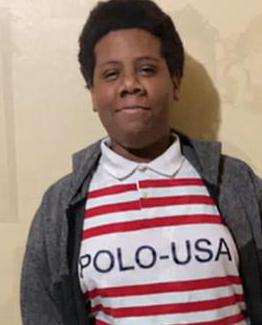
In the summer of 2026, the life of 14-year-old Brayden Spinks was tragically cut short in Osceola, Arkansas. Remembered by his father as a "big sweet kid" who could easily bring a smile to anyone's face, Brayden was looking forward to starting the eighth grade. He was the eldest of four siblings and was known for being a kind, respectful, and devoted big brother.
On the evening of Sunday, July 26, 2026, Brayden and his younger brother were at a sleepover at a friend's house. What was meant to be a night of youthful camaraderie took a devastating turn when the friend, also 14 years old, introduced a gun into their gathering. Reports indicate that the friend was showing the firearm to the Spinks brothers, and in what has been described as a playful but reckless act, he pointed the weapon at Brayden. After making comments about shooting him, the teenager pulled the trigger. Emergency services were called to the scene, but despite their efforts, Brayden was pronounced dead.
In the aftermath of the shooting, the 14-year-old friend was taken into custody and subsequently charged with manslaughter. The police characterized the fatal incident as "an act of negligence," suggesting a lack of malicious intent. However, Brayden's grieving family has publicly disputed this assessment, expressing their belief that the shooting was an intentional act. While an arrest was made and a charge was laid, the name of the accused has not been publicly released due to his status as a juvenile.
The case of Brayden Spinks's death highlights a tragic intersection of teenage curiosity and the accessibility of firearms. While a manslaughter charge was brought against the 14-year-old responsible, publicly available information regarding the specifics of the legal proceedings, including whether the suspect was tried as a juvenile or an adult, and details of any conviction or sentencing, are not available. The narrative of this tragedy is therefore incomplete, leaving a family and a community to grapple with the senseless loss of a young life and the opaque conclusion of the legal case that followed.