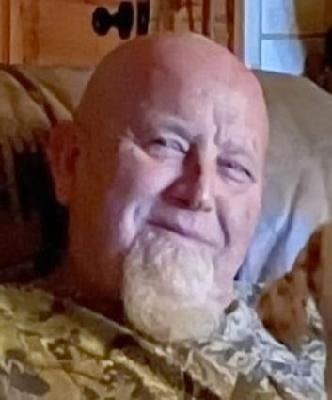
Silas Butner, a 62-year-old African American man, died in London, Kentucky, on January 23, 1971, while a patient at Marymount Hospital. Online records identify him as one of the Kentucky victims of Donald Harvey, a young hospital orderly who would later become one of the most prolific convicted serial killers in the United States. Butner had been suffering from kidney problems and was receiving treatment at Marymount when he came into Harvey’s care.
According to accounts developed years later from Harvey’s confessions, Harvey believed Butner was suffering and claimed that he felt the hospital staff was not providing him adequate care.
Harvey later admitted that he repeatedly tried to kill Butner before succeeding. His initial attempts reportedly involved trying to smother the patient, but Harvey said he was interrupted before he could complete those attacks. He eventually used another method that he had employed against several patients at Marymount: interfering with Butner’s oxygen supply. Accounts of the case state that Harvey connected or supplied Butner with an oxygen tank that did not provide the oxygen he needed, causing him to suffocate. Because Butner was already seriously ill and his death occurred in a hospital setting, there was no immediate indication that someone had deliberately caused his death.
An autopsy was reportedly performed after Butner died, but investigators at the time did not discover the true circumstances surrounding the death. His passing was therefore not initially treated as a homicide, and Harvey remained unsuspected. The apparent natural or medically explainable deaths of seriously ill patients allowed Harvey’s actions at Marymount to remain concealed for years. He continued working in health-care settings and later committed additional killings in Ohio.
The case did not begin to unravel until 1987, nearly sixteen years after Butner’s death. Harvey came under investigation in Cincinnati after cyanide was discovered during an autopsy of another hospital patient. Once investigators began examining his employment history and other suspicious patient deaths, Harvey started confessing to killings that stretched back to his time as a teenage orderly at Marymount Hospital in London. During the expanding investigation, he admitted responsibility for numerous deaths in Kentucky, including Butner’s. His statements provided investigators with information that had not been recognized when the patients originally died.
Harvey was arrested in Ohio in 1987 in connection with the hospital killings there and ultimately entered guilty pleas to numerous murder charges. Kentucky authorities separately investigated the deaths at Marymount. Harvey was indicted in Laurel County in connection with a group of former patients, and Butner was among the victims for whose death he was charged. Harvey admitted that he had killed more Marymount patients than prosecutors believed they could successfully prove in court, with accounts indicating that he claimed responsibility for approximately thirteen deaths at the London hospital.
On November 2, 1987, Harvey appeared in Laurel County Circuit Court in London and pleaded guilty to eight murder charges and one voluntary manslaughter charge involving nine Marymount Hospital patients. Contemporary reports described relatives of some of the victims watching as the former orderly admitted the killings that had remained undiscovered since 1970 and 1971. The Kentucky court imposed eight life sentences plus an additional 20-year term. By that point Harvey was already serving lengthy life sentences resulting from his Ohio prosecutions.
Butner’s death consequently became recognized not as an unexplained hospital death but as one episode in a much larger series of killings committed by Harvey against vulnerable patients. There is no indication in the available online accounts that anyone other than Donald Harvey was suspected, arrested, or prosecuted for Butner’s killing. Harvey’s own confession ultimately supplied the crucial explanation for what had happened at Marymount, and his guilty plea brought the case into the group of Kentucky hospital murders for which he was formally convicted.