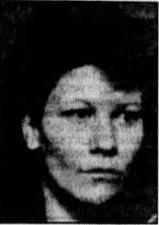
On September 4, 2010, Latasha Carter, a 30-year-old woman from Oakland, California, was shot and killed in a tragic incident. The shooting took place during the late hours of the night, near a residential area known for incidents of gun violence. Carter's death was one among a series of homicides that marked a particularly challenging year for Oakland, which saw 90 homicides in 2010, reflecting the persistent crime issues the city faced during that period.
Latasha Carter’s homicide was part of a broader context of violence in Oakland, which experienced a high number of gun-related deaths in the early 2010s. This period was characterized by frequent incidents of gunfire, much of which was tied to gang activities and personal disputes. Despite police efforts to reduce violence and investigate these homicides, many cases, including Carter's, went unsolved due to a lack of sufficient witness testimonies or other evidence. Law enforcement and community leaders continually called for cooperation from the community to assist in solving such cases.
The Oakland Tribune, in collaboration with other local organizations, put together a homicide map to document the lives lost during the year, which included Carter. This was an effort not only to bring attention to the victims but also to emphasize the human cost of violence in the community. The homicide map served as a powerful visual reminder of the individuals affected by the violence, encouraging residents and authorities alike to take action to address the root causes of crime in the area.