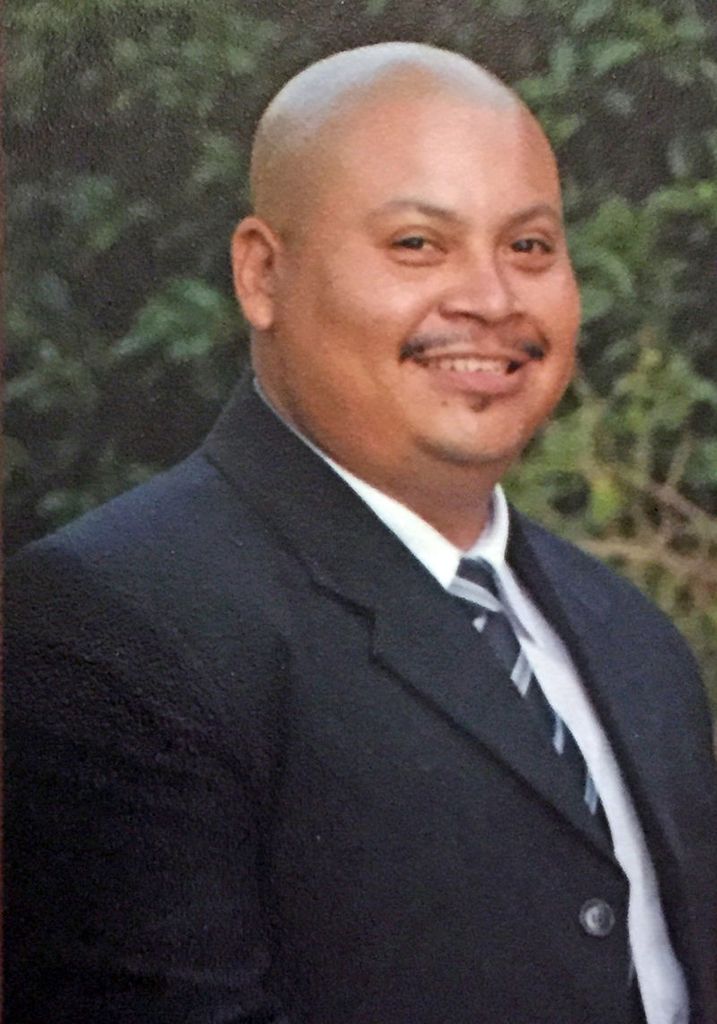
David Amstutz, 69, died on April 15, 2026, in Los Angeles, California, in a loss that leaves behind far more questions than answers. The public information available about his death is limited, but even in its brevity, it marks the end of a life that mattered. His name now appears among those lost to gun violence, a stark entry in public records that can never fully capture who he was, what he meant to the people who knew him, or the grief left behind in the wake of his passing.
David’s death was recorded in Los Angeles, a city where individual tragedies can sometimes become hidden within the size and speed of daily life. But behind every brief listing is a person with a story. At 69 years old, David had lived through decades of change, relationships, memories, routines, and experiences that belonged uniquely to him. The record of his death may be short, but the meaning of that loss is not. Someone’s father, friend, neighbor, relative, or loved one was taken, and the people connected to him were left to face the sudden silence that follows a violent death.
The details surrounding what happened on April 15, 2026, have not been made fully clear in the publicly available information. There is no detailed account explaining where in Los Angeles the incident occurred, what circumstances led to the shooting, or whether David was specifically targeted or became the victim of violence in some other way. That absence of detail can be especially painful for those trying to understand how a life could end so suddenly. When the public record provides only a name, an age, a place, and a date, it leaves room for grief to be mixed with uncertainty.
No publicly available information has identified any arrests, suspects, charges, trial proceedings, or convictions connected to David Amstutz’s death. There is no clear report naming a person responsible, no known motive described, and no available court outcome tied to the case. For now, the public record does not provide the answers that families and communities often hope for after a violent loss: who did this, why it happened, and whether justice will follow.
What remains publicly visible is the fact of David’s death and the sorrow attached to it. A life reached its final day in Los Angeles on April 15, 2026, and the circumstances, as far as available information shows, remain incomplete. That lack of detail does not make the loss smaller. If anything, it makes the human side of the story stand out more sharply. David was not just a name in a list or another statistic in a city marked by violence. He was a 69-year-old man whose life ended violently, leaving behind loved ones who must carry his memory forward while living with unanswered questions.
In cases like David’s, the absence of public updates can feel heavy. Without reports of an arrest or named suspect, the story pauses in a difficult place. It becomes a story not only about death, but about uncertainty, waiting, and the hope that more information may one day come to light. For those who cared about David, that wait can be its own kind of burden. Grief is hard enough when answers are known; it can be even harder when the details remain out of reach.
David Amstutz’s death is a reminder that every act of violence leaves a circle of people forever changed. The records may only preserve the outline of what happened, but the emotional truth is much larger. A man’s life ended, his loved ones were left to mourn, and a community was left with another painful reminder of how quickly violence can alter everything. Until more information becomes available, his story remains one of loss, remembrance, and unanswered questions.