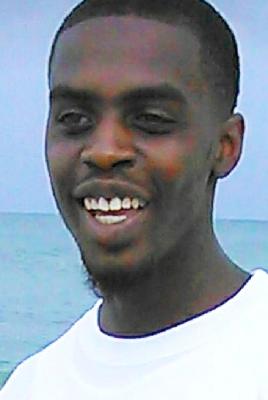
Darnell Mooney, a 24-year-old man from Cincinnati, was born there on January 12, 2001, and grew up surrounded by a large, close-knit family that knew him as Darnell Kaseem Mooney. He graduated from Fairfield High School and taught himself to operate a forklift, turning that skill into steady work in manufacturing. Away from the job, he poured his energy into music and fashion, dreaming of one day breaking into the music industry.
He was especially proud of his distinctive hairstyle, which he treated like a crown, a detail that family and friends saw as perfectly fitting for someone they affectionately viewed as a king in their lives.
On the night of Wednesday, November 5, 2025, those dreams were abruptly cut short. Around 8 p.m., Cincinnati police were called to an apartment in the 2500 block of Hansford Place in the South Fairmount neighborhood after multiple 911 calls reported gunfire. When officers arrived, they found Darnell inside the residence with severe gunshot wounds, including injuries to his head and torso. Emergency responders rushed him to the University of Cincinnati Medical Center, where doctors fought to save his life, but he did not survive his injuries and was pronounced dead after arriving at the hospital.
In the hours and days that followed, details about the moments surrounding the shooting began to emerge, but no clear picture of a killer came into focus. Witnesses reported seeing a black sedan in the area shortly before the gunfire rang out. Police later said they believed a suspect abandoned a black sedan near the scene and that the same vehicle, linked to the incident, was later found sitting in the middle of Ash Tree Drive in the Northside neighborhood. Investigators treated the car as a crucial piece of evidence, but publicly, no suspect’s name, description, or motive has been released. News reports have emphasized that, as of the latest updates, the investigation remains active and authorities have not announced any arrests connected to Darnell Mooney’s killing.
As the case worked its way through the early investigative stages, the focus in his community turned to grief and remembrance. Online memorials described Darnell as a warm, funny presence whose smile and sense of humor could light up a room, someone who spoke his mind yet showed deep loyalty to the people he loved. Family and friends shared memories of him joking around with relatives, playfighting and playing video games with the younger boys in the family, and always finding ways to bring laughter into even the heaviest moments. Local and online tributes portrayed him not just as a victim of violence, but as a son, brother, and friend whose life carried love, energy, and promise that ended far too soon.
Cincinnati’s broader community has also felt the weight of his loss. In a city already struggling with the toll of gun violence, news of a young man killed in his own community has stirred reflection and calls for justice. Gun violence memorial pages and obituary sites now carry his name and photograph among other victims, inviting people to light virtual candles, share stories, and stand with his family in mourning. Even as investigators continue to seek leads and encourage anyone with information to come forward, the most immediate legacy of Darnell Mooney’s death is the quiet, enduring grief of those who loved him and the unfinished story of a life that should have had many more chapters.