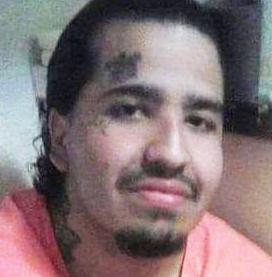
On January 20, 2011, 31-year-old Terrence Thompkins was shot and killed in Oakland, California. His death was part of a broader pattern of violence that affected the city that year. In 2011, Oakland experienced 103 homicides, a number that included many young men from economically disadvantaged neighborhoods, particularly in East and West Oakland. These areas have faced ongoing challenges related to violence, driven largely by socio-economic disparities and the presence of organized crime,
which contributed to a persistent cycle of violent incidents.
Thompkins’ death remained unsolved for some time, reflecting the general struggle that Oakland's law enforcement faced in solving homicides. The Oakland Police Department (OPD) reported a relatively low clearance rate for homicides that year, as they were able to solve only a portion of the cases. The difficulties in solving Thompkins' and other similar homicides were attributed to a lack of witnesses, fear of retaliation, and a general lack of community trust in law enforcement. This made it challenging to gather the necessary information to make arrests and secure convictions.
The broader context of Oakland’s crime situation during that period painted a grim picture. Many of the homicides were linked to gang activities and disputes, often involving firearms. Oakland’s homicide rate at the time was significantly higher than the state and national averages, which put additional pressure on local law enforcement to find effective solutions. Despite various initiatives, such as increasing community engagement and deploying specialized units, the challenge of reducing gun violence and addressing socio-economic inequalities remained a significant barrier to making Oakland a safer community.