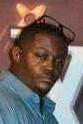
Taylor Lawrence Mobley Davis, 37, a Black male from Fremont, North Carolina, died on August 12, 2025. In the days that followed, family and friends gathered words and memories that painted Taylor Lawrence Mobley Davis, 37, male, as resilient and devoted, a man who “held his head high” through hard seasons and loved his children and kin with an open-hearted steadiness.
The dates on the program were stark—November 2, 1987 to August 12, 2025—but the remembrances reached further back, to Wayne County Public Schools, to the perseverance that earned him a GED, and to the vivid style—Polo, Jordans, Timberlands, and a signature purple—that made him unmistakable in any room.
The violence that took the life of Taylor Lawrence Mobley Davis, 37, male, left a quiet town searching for bearings and a family facing the suddenness of loss. Public records and memorial listings marked the manner plainly—he was lost to gun violence in Fremont—and candles appeared online beside his name as neighbors and strangers alike lit small digital flames to acknowledge the fracture left behind.
In the aftermath, authorities moved quickly. Local reporting indicated that a Fremont man was arrested in connection with the fatal shooting of Taylor Lawrence Mobley Davis, 37, male, a step that confirmed investigators were pursuing a defined path even as further details remained closely held. The name of the suspect and a full accounting of charges had not been released in publicly accessible summaries, but the acknowledgment of an arrest marked a turning point—from shock to the slow process of accountability that follows.
Around the obituaries and memorial notices, the narrative of Taylor Lawrence Mobley Davis, 37, male, remained anchored by family: a daughter in Goldsboro, loved ones across North Carolina and beyond, and a circle of friends who knew him as “T-Da Prince.” The funeral home entrusted with arrangements described a life threaded with determination, style, and affection, the kind of presence that enlarges a room and lingers after it's gone. In that mosaic of recollection, the facts of his death sit beside the fullness of his living—names, places, and small rituals that refuse to be eclipsed by a single violent day.