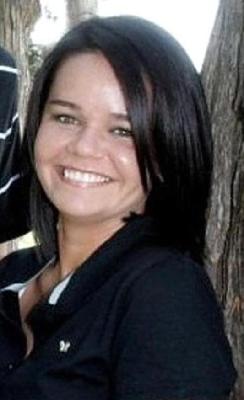
Patricia Ann Gabbard, a 47-year-old white female postal clerk, built a quiet, working life in Oklahoma, beginning with her birth in Crescent in Logan County and later settling in the Oklahoma City–Edmond area. She had spent about two years with the U.S. Postal Service and had only recently become a full-time clerk at the downtown Edmond post office, a change that suggested a measure of stability and progress after earlier jobs, including industrial work at facilities such as the Kerr-McGee
nuclear fuels plant. Friends and family knew her not as a statistic in a future headline but as a woman who had raised two daughters to adulthood and who was still piecing together a modest but steady life when she reported for duty on a hot August morning in 1986.
On August 20, 1986, the routine hum of the Edmond post office was shattered shortly after 7 a.m. when fellow postal worker Patrick Henry Sherrill arrived carrying three handguns concealed in a mailbag. After entering the building, he locked the doors behind him, effectively trapping roughly one hundred employees inside. Moving rapidly through the sorting areas and workrooms, he first sought out supervisors who had reprimanded him the previous day, then turned his aim on other co-workers, firing in short, deadly bursts. In the span of about fifteen minutes, fourteen postal employees were killed and six others wounded, making the massacre one of the deadliest workplace shootings in American history at the time. Patricia was among those struck down inside the building, her life ending in the same place she had gone simply to do her job.
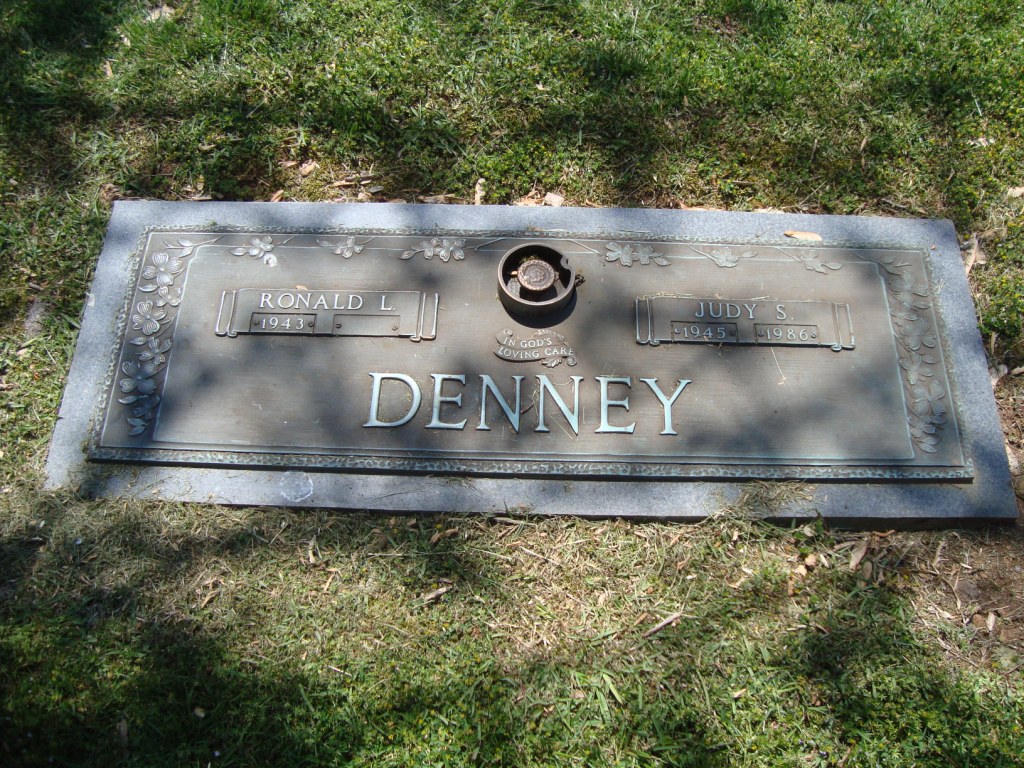
The violence was so sudden that many victims never had a chance to react. Accounts from survivors describe panicked attempts to flee down narrow corridors or to hide behind mail cases and machinery as shots echoed through the plant. Emergency responders converged on the post office, but confusion over whether the incident was a hostage situation slowed efforts to enter; by the time authorities moved decisively, the damage was irreversible. Later lists released by police and national news outlets recorded Patricia’s name among the dead, tying her not to a single neighborhood or town but to the broader region she had served, identified in some reports as from Oklahoma City even as cemetery and memorial records placed her roots firmly in Crescent. Her grave in Oakland–Knowles Cemetery in Logan County and her inclusion on national gun-violence remembrance sites underline the quiet, ordinary life that ended in an extraordinary act of brutality.
Sherrill’s rampage ended when he turned one of his pistols on himself as police were closing in, dying by suicide on the floor of the same building where he had worked. Investigators quickly identified him as the sole perpetrator, a 44-year-old part-time letter carrier described in later analyses as a disgruntled employee who had brooded over disciplinary actions and job insecurity. Because he died at the scene, there were no arrests in Patricia’s killing or in the murders of the other postal workers; there were no remaining suspects to pursue, and criminal accountability ended with the gunman’s death. In the years that followed, the focus shifted instead to civil lawsuits challenging the speed and tactics of the police response, as families sought answers and a measure of acknowledgment for what they believed might have been done differently, though those cases did not alter the conclusion that Sherrill alone was responsible.
Today, Patricia’s name is etched into multiple layers of public memory. At the Edmond post office where she died, the Yellow Ribbon memorial sculpture stands amid a fountain whose fourteen jets of water symbolize each of the workers killed that morning, her name listed among them on a commemorative plaque. Online, she appears in cemetery records, on gun-violence memorial pages, and in historical essays that revisit the massacre as the event that helped coin the phrase “going postal,” a grim shorthand for workplace rage turned homicidal. These records cannot fully reconstruct her personality, her private hopes, or the details of the life she led before August 20, 1986, but they do ensure that she is remembered as more than one of many victims in a notorious crime: a specific woman, with a history, a family, and a name that still surfaces whenever that tragic morning in Edmond is recalled.