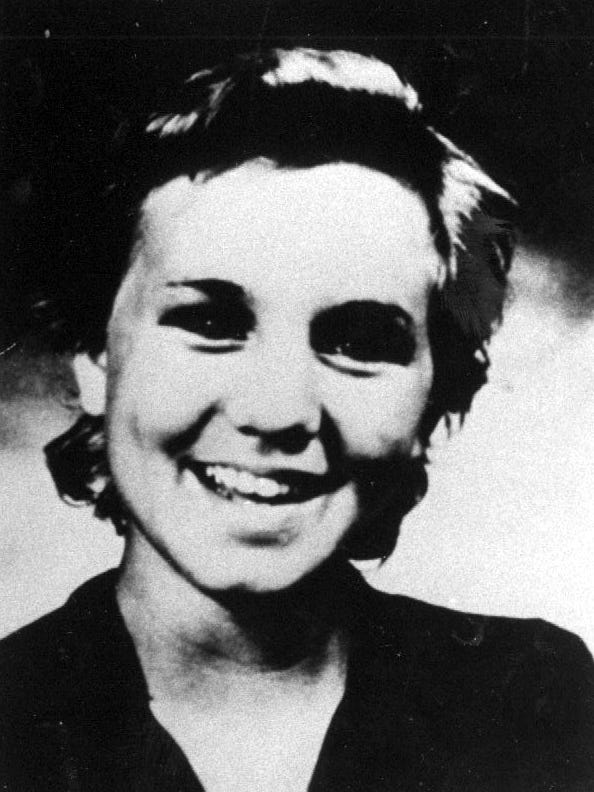
Angelica Frausto, a 17-year-old Hispanic female from El Paso, Texas, was one of several young women who fell victim to a string of brutal murders in 1987. Frausto had a troubled upbringing and was known to be a chronic runaway from the age of 12. She dropped out of Henderson Middle School, where she had been enrolled in a behavioral program, and worked as a dancer at the Red Flame bar on Dyer Street despite being underage.
She maintained regular contact with her grandmother and was last seen on August 8, 1987, riding on a motorcycle with a man later identified as David Leonard Wood.
Frausto was reported missing on September 16, 1987. Her remains were discovered on November 3, 1987, in a shallow grave in a desert area of Northeast El Paso. Family members later stated that she had been buried alive. The discovery of her body was part of a larger investigation into a series of disappearances and murders of young women in the area, many of whom shared similar backgrounds and circumstances.
David Leonard Wood, a convicted sex offender with a history of violent crimes, emerged as the prime suspect in the case. Witnesses had seen Wood with several of the victims, including Frausto, prior to their disappearances. He was arrested on October 24, 1987, for the sexual assault and kidnapping of another woman, which led investigators to connect him to the broader pattern of crimes. Ultimately, Wood was convicted of multiple counts of murder and sentenced to death. He became known as the "Desert Killer" for burying his victims in remote desert locations around El Paso.
Frausto’s death, along with those of other young women, highlighted the vulnerability of marginalized youth and the systemic failures that allowed a serial predator to operate unchecked for months. Her story remains a painful chapter in El Paso’s history and a stark reminder of the importance of protecting at-risk individuals.