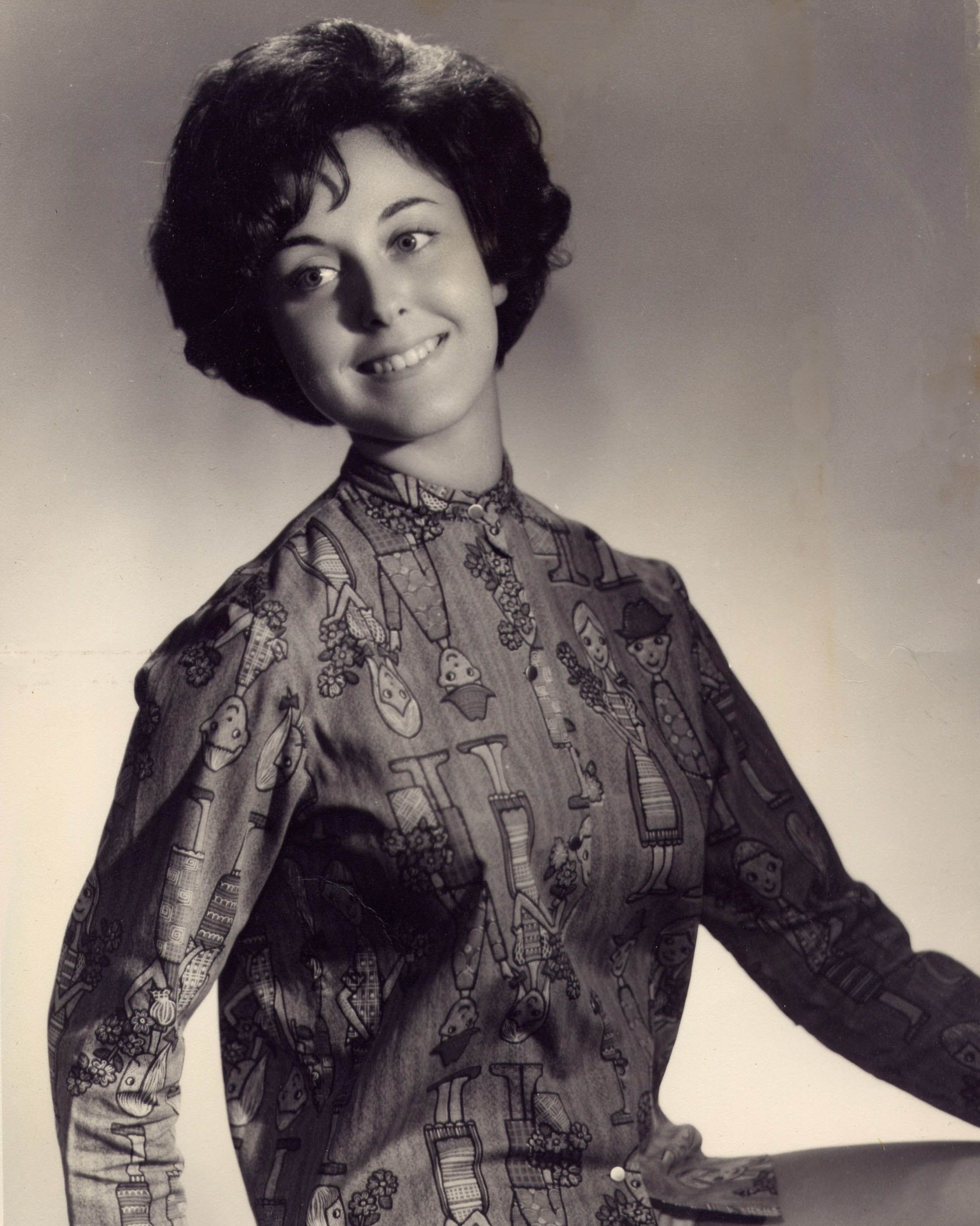
Mildred Mae Williams Beasley, a 45-year-old Black woman, was found murdered on November 6, 1996, in Los Angeles, California. Her body was discovered partially nude and strangled among bushes near the 110 Freeway. Originally from Mississippi, she had moved to California from Texas just eight weeks prior to her death. Mildred was married to Willard Beasley Sr. and was the mother of several children, including a teenage son she left behind.
She was described as a homemaker who had been on her way to visit friends when she was killed.
Her murder was eventually linked to Chester DeWayne Turner, a serial killer responsible for the deaths of at least 14 women and one unborn child in Los Angeles between 1987 and 1998. Turner, a Black man born in Arkansas in 1966, had a troubled history marked by homelessness, petty crimes, and incarceration. He worked various jobs, including as a pizza delivery man and a security guard at a homeless shelter. His violent crimes came to light after he was convicted of rape in 2002 and required to submit a DNA sample. That sample matched evidence from multiple unsolved murder cases, including the killing of Mildred Williams Beasley.
Turner was arrested and eventually convicted of multiple counts of first-degree murder. He received two death sentences—one in 2007 for ten murders, and another in 2014 for four additional killings. Mildred Williams Beasley, the 45-year-old Black female victim from Los Angeles, was among those whose deaths were attributed to Turner through DNA evidence. Her murder was part of a broader pattern of violence that targeted vulnerable women, many of whom were found strangled and partially nude in neglected areas of the city.
Turner’s crimes were initially overlooked due to the chaotic conditions in Los Angeles during the 1980s and 1990s, a time when drug epidemics and homelessness overwhelmed law enforcement resources. It wasn’t until the formation of a cold case unit and the advancement of DNA technology that investigators were able to connect the dots. Mildred’s case, along with others, helped expose Turner as one of the most prolific serial killers in Los Angeles history. He remains on death row at San Quentin State Prison.