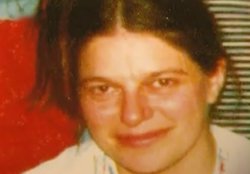
In the early morning hours of December 15, 1978, 16-year-old white female Susan Marie Huling was murdered in her family's rural home near Clearwater, Minnesota. She was one of four victims in a brutal attack that claimed the lives of her mother, Alice Huling, and two siblings—13-year-old Wayne and 12-year-old Patti. The family was asleep when the assailant entered the home and shot each victim in their beds. Susan, a white teenage girl, was shot in the head while sleeping in her bedroom.
Her younger brother, 11-year-old Billy, survived by pretending to be dead after the killer fired two shots at him and missed.
The murders shocked the small community and remained unsolved for over two decades. Initial investigations identified several suspects, including a local deputy, but no charges were filed. Just four days after the killings, authorities arrested a man named Joseph Donald Ture Jr. for unrelated charges involving a stolen vehicle. During the arrest, police discovered a ski mask, a toy Batmobile, and a metal rod in Ture's car. The toy car was later identified by Billy as his own, last seen on the kitchen table the night of the murders. The metal rod matched bruises found on Alice Huling's body. Despite these clues, Ture was released and remained a suspect.
Years later, while incarcerated for other violent crimes—including rape and murder—Ture allegedly confessed to the Huling family murders to fellow inmates. In 1999, based on these confessions and corroborating evidence, Ture was indicted on four counts of first-degree murder. At trial, testimony from Billy and other witnesses, along with forensic links to items found in Ture's possession, helped secure a conviction. In 2000, Joseph Ture was found guilty of murdering 16-year-old white female Susan Huling, her mother, and two siblings. He was sentenced to four consecutive life terms.
Investigators believe Ture broke into the Huling home intending to sexually assault Susan. His history of targeting waitresses and young women, including other victims like Diane Edwards and Marlys Wohlenhaus, painted a disturbing pattern of violence. The conviction brought long-awaited justice to the surviving family and closed one of Minnesota's most haunting cold cases.