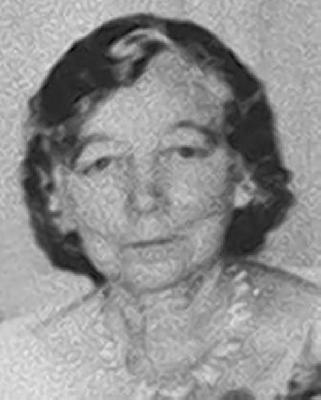
On June 28, 1989, the body of 28-year-old Kimberly Lyttle, a white female from Riverside County, California, was discovered in Cottonwood Canyon. Kimberly Lyttle was known to have struggled with drug use and had a history of prostitution. Her body showed signs of severe trauma, and an autopsy revealed the presence of alcohol and drugs in her system. The official cause of death was asphyxiation.
Investigators also found several pubic hairs and fibers on her body that did not belong to her, which they hoped would later help identify the perpetrator.
Kimberly Lyttle's murder was part of a disturbing pattern of killings in the Riverside area during the late 1980s and early 1990s. These crimes were eventually linked to a serial killer who targeted women involved in prostitution and drug use. The killings were marked by brutal violence, including strangulation and, in some cases, mutilation. The media dubbed the unknown assailant the "Riverside Prostitute Killer" or the "Lake Elsinore Killer," and public concern grew as more victims were discovered.
The investigation into these murders led to the arrest and conviction of William Lester Suff. He was ultimately found guilty of the first-degree murders of twelve women, including 28-year-old Kimberly Lyttle. The evidence against Suff included forensic links such as hairs, fibers, tire tracks, and shoe impressions that connected him to multiple victims. The jury found that Suff had killed his victims while lying in wait and had used a deadly weapon in several of the murders. He was sentenced to death for each of the twelve murder convictions.
Kimberly Lyttle’s death, along with those of the other victims, highlighted the vulnerability of marginalized women and the importance of persistent investigative work in bringing a serial killer to justice. Her case remains a tragic chapter in Riverside County’s history, emblematic of the broader pattern of violence against women in vulnerable circumstances.