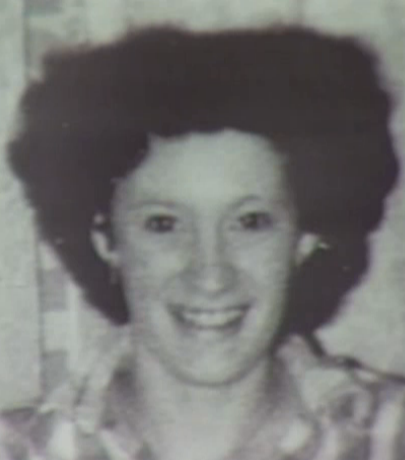
In the spring of 1984, a grim series of events unfolded in rural Iowa, forever changing the lives of one family. Sara Link, a 41-year-old White/Caucasian woman from Farmington, found herself at the center of a tragedy that began with the death of her son. On April 13, 1984, the body of 20-year-old Justin Hook, Jr. was discovered near his burned-out mobile home in the Drakesville area.
In the devastating process of investigating his death, law enforcement attempted to contact his mother, Sara, only to find that she was missing.
The search for Sara ended in heartbreak on April 16, 1984, when her body was found in a farm field in rural Eldon. The horror was compounded two days later with the discovery of a third victim in the same vicinity, 19-year-old Tina Lade, who was her son's fiancée. Investigators determined that all three had been brutally beaten to death with a blunt object, leaving the community in fear and investigators with a perplexing triple homicide case. For years, the case grew cold, with no arrests made and no clear motive established.
Decades later, a breakthrough in forensic technology would finally shed light on the long-unsolved murders. In January 2014, law enforcement officials announced that DNA evidence had definitively linked a man named Andrew Six to the murders of Sara Link and Tina Lade. Six had been a suspect in the original 1984 investigation but had denied knowing one of the victims and was never charged. The motive is believed to have been related to a car deal.
Justice for Sara Link and the other victims would not be served in a courtroom. By the time he was officially named as the killer, Andrew Six had been dead for years. In 1987, he was arrested for the abduction and murder of a 12-year-old girl. For that crime, he was executed by lethal injection in Missouri in August of 1997. While the identification of her killer brought a close to the decades-long investigation, it was a resolution without the accountability of a trial.