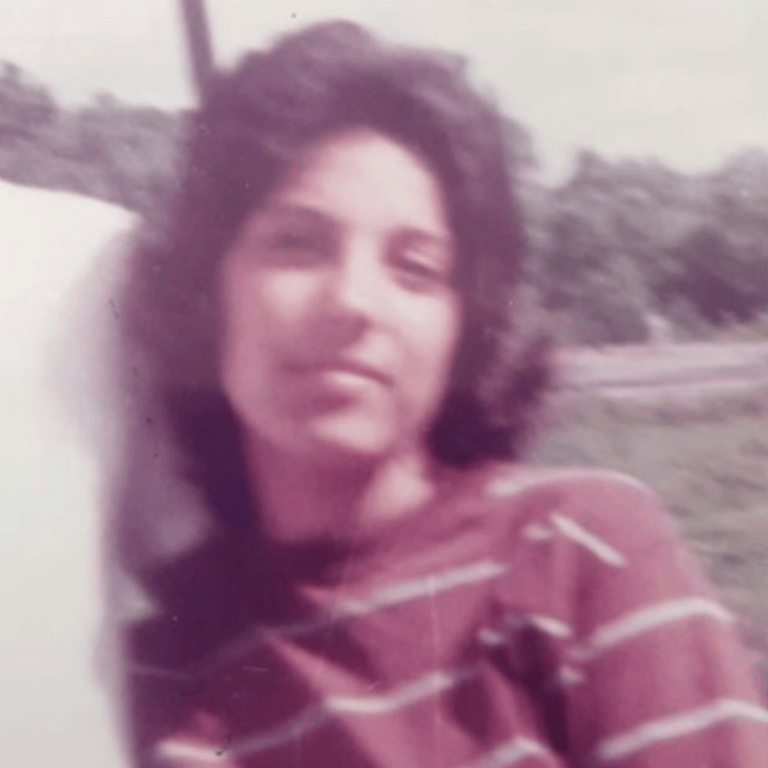
In early 1993, the vibrant life of Leah Evans, a 28-year-old white woman residing in the Park Slope neighborhood of Brooklyn, New York, was tragically cut short. A graduate of Sarah Lawrence College and a mother to two children, Julian and Eve, she was known for her lively personality. Her sudden disappearance raised alarm among her friends and family, initiating a period of uncertainty and fear that would last for months.
The full, grim reality of her fate would not come to light until the arrest of one of New York's most infamous serial killers.
On February 27, 1993, Leah Evans was murdered by Joel Rifkin. According to his subsequent confession, Rifkin strangled her and then transported her body to a secluded wooded area on the far eastern end of Long Island, where he buried her in a shallow grave. Her remains went undiscovered for several months, leaving her loved ones in a painful state of limbo.
The break in the case came in June 1993, when Joel Rifkin was pulled over for a traffic violation. The routine stop took a horrifying turn when police discovered the body of another of his victims in the vehicle. Following his arrest, Rifkin began to confess to a string of brutal murders. He admitted to killing 17 women, including Leah Evans. In September of that year, he was formally charged with multiple counts of second-degree murder, which included the deaths of Evans and another victim, Lauren Marquez. Despite pleading not guilty, Rifkin was ultimately convicted for his heinous crimes and sentenced to 203 years to life in prison. The case of Leah Evans became a somber and tragic part of the larger investigation into Rifkin's murderous spree, highlighting the profound loss and devastation he wrought.