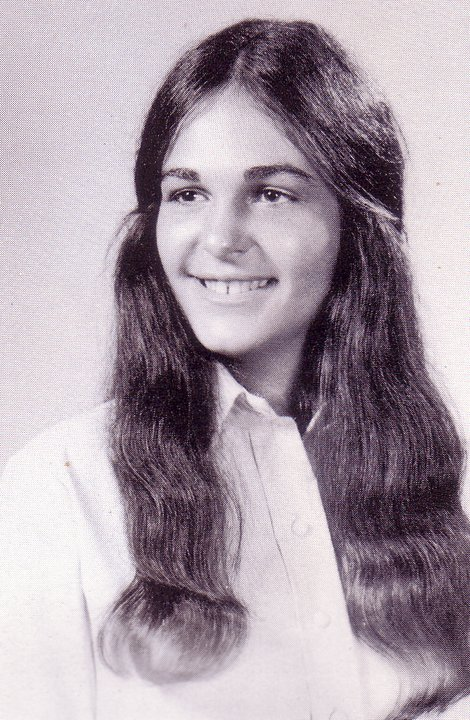
On a summer night in July of 1987, the life of 27-year-old Rebecca Spencer, a Caucasian female, was brought to a brutal and untimely end in her Warwick, Rhode Island, home. A newly divorced mother of two, she was in the process of moving and starting a new chapter for her family. Tragically, on the night of July 27th, while her children were staying with their father, she was viciously attacked and stabbed 58 times with a packing knife that the assailant found in her home.
Her brother would later discover her body.
For two years, the violent murder of Rebecca Spencer remained a chilling unsolved case, leaving the community of Warwick gripped with fear. The initial investigation led police to believe it might have been a robbery gone wrong, given that the murder weapon was from the victim's own home. There were no immediate suspects, and the trail grew cold, leaving a void of answers and a lingering sense of unease. The sheer brutality of the attack, described as "overkill," was a particularly disturbing element for investigators.
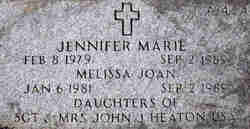
The break in the case finally came in 1989, following the horrific murders of another Warwick resident, Joan Heaton, and her two young daughters. The investigation into the Heaton murders led police to a 15-year-old neighbor, Craig Price. During questioning, Price not only confessed to the Heaton family slayings but also admitted to the murder of Rebecca Spencer two years prior. At the time of Spencer's murder, Price was only 13 years old and lived just two doors down from her. His confession revealed that he had been peeping in her windows before breaking in to burglarize the home, and when he was startled by her presence, he attacked her. Due to his age at the time of the crimes, Craig Price was tried as a juvenile, a fact that sparked significant public outcry and led to changes in Rhode Island law regarding trying juveniles as adults for serious crimes.