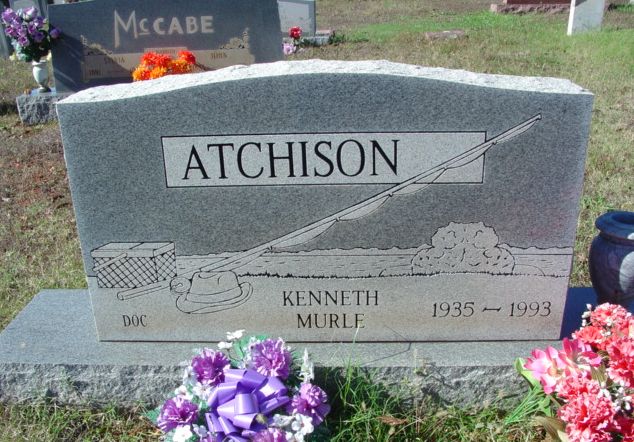
Kenneth “Doc” Atchison, a 57-year-old White man, vanished on the evening of February 8, 1993, after stepping out with the kind of single-minded purpose that makes friends uneasy. At an Eat-Rite Diner, he talked openly about where he was headed next: to Gary Muehlberg’s house to trade his Chrysler LeBaron and $5,000 in cash for Muehlberg’s Cadillac. He was carrying the money on him, and more than one person noticed a nervous edge in his excitement—at one point he even weighed whether he should bring someone along, then decided to go alone anyway.
According to later court records, that decision put him directly in Muehlberg’s hands. The case established that Atchison arrived at Muehlberg’s home that night for the exchange and was killed there. In the days that followed, the trail didn’t lead to a hospital or a roadside breakdown; it led to silence, to time stretching out while people waited for him to turn up, and then to the kind of discovery that permanently changes a family’s sense of the world.
Investigators ultimately found Atchison’s body inside Muehlberg’s residence, concealed in what reports described as a makeshift or homemade coffin. The hiding place—down in a basement, packed away rather than abandoned in the open—made the crime feel less like a sudden eruption and more like something deliberate, planned, and meant to delay the moment anyone could say out loud what had happened.
Muehlberg didn’t remain in place to answer questions. Authorities later located him across state lines, arresting him in southern Illinois and Missouri prosecutors pursued the case as a murder-and-robbery tied to the cash Atchison brought for the car deal. In the legal fight that followed, Muehlberg tried to push suspicion toward another man—court documents describe defense efforts connected to an exculpatory claim that “Chuck Nichols did it,” a statement the trial court kept out as self-serving hearsay unless Muehlberg took the stand. The attempt to redirect blame didn’t stop the case from tightening around him.
The prosecution ended with a conviction: Muehlberg was found guilty of first-degree murder and armed criminal action. Court records describe a life sentence for the murder plus an additional prison term for the armed criminal action count, and later reporting summarized the outcome as life in prison without parole. Years later, as Muehlberg became publicly associated with other killings in the St. Louis area, news accounts repeatedly noted that he was already serving that life sentence for the 1993 murder of Kenneth Atchison.