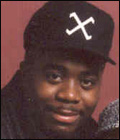
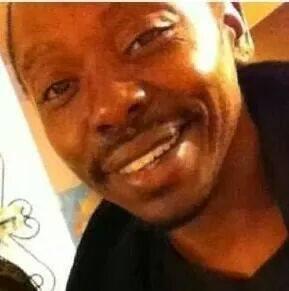
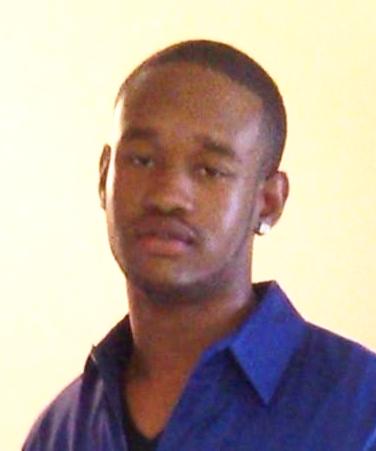
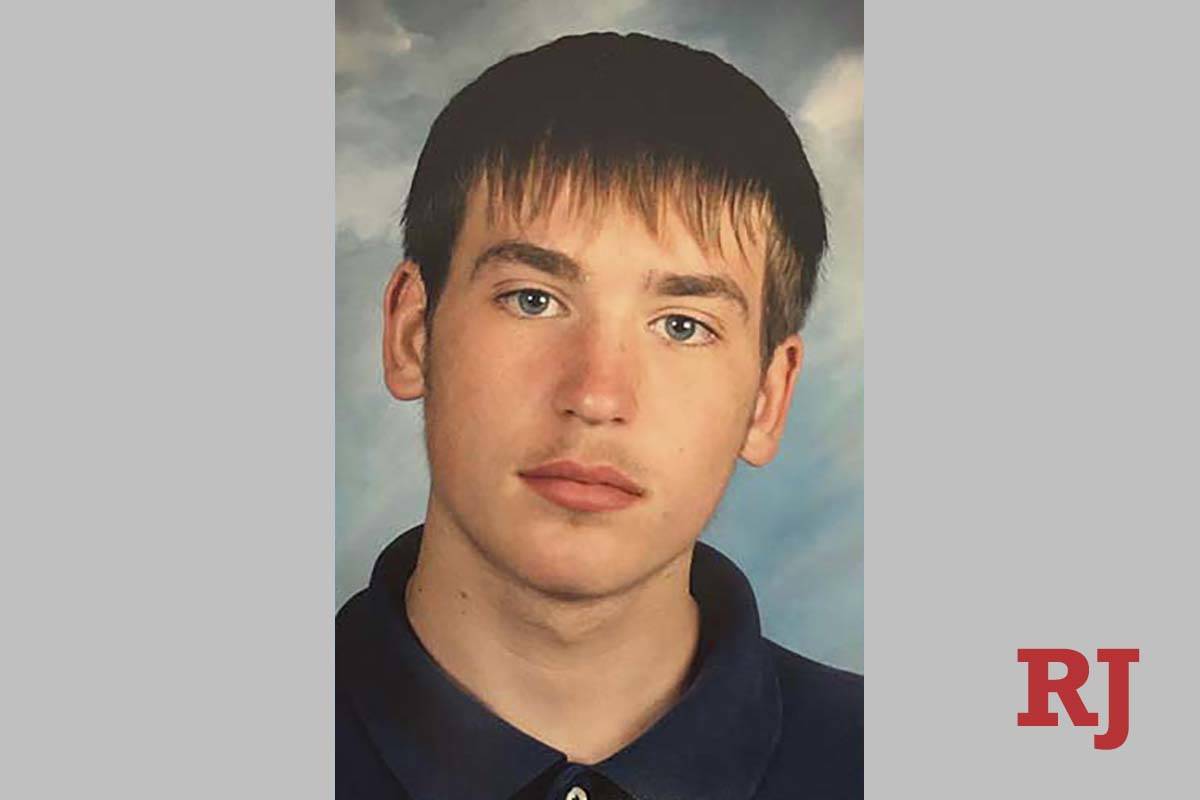
Monty Ramond Culverson, a 42-year-old Black man, was found just after 1 a.m. on Saturday, November 8, 2014, behind a residence near the busy crossroads of Martin Luther King and Lake Mead boulevards in northwest Las Vegas. Police had first rushed to the 1300 block of Hassell Avenue around midnight after reports of gunfire, finding no victim in the darkness.
About an hour later, they were called back and discovered Culverson's body, the scene now quiet except for the murmur of patrol radios and the harsh wash of cruiser lights cutting across backyards.
Detectives marked the area and began piecing together the final minutes of a life interrupted, noting that Culverson had been shot; accounts published at the time described a fatal gunshot, with some summaries specifying a wound to the chest. The coroner's office confirmed his identity as investigators canvassed for witnesses in the neighborhood where the first calls rang out. The early timeline—reports of shots, an initial sweep with no victim, then the grim discovery—left more questions than answers about who fired and why.
By the start of the following week, Las Vegas police said they had neither a suspect nor a motive, and the case joined the year's growing homicide tally as detectives appealed for tips through Metro's homicide section and Crime Stoppers. Public listings and later compilations continued to reflect the absence of an arrest, underscoring how the trail cooled after those first urgent hours. Anyone who knew what happened that night was still out there, somewhere beyond the perimeter tape.