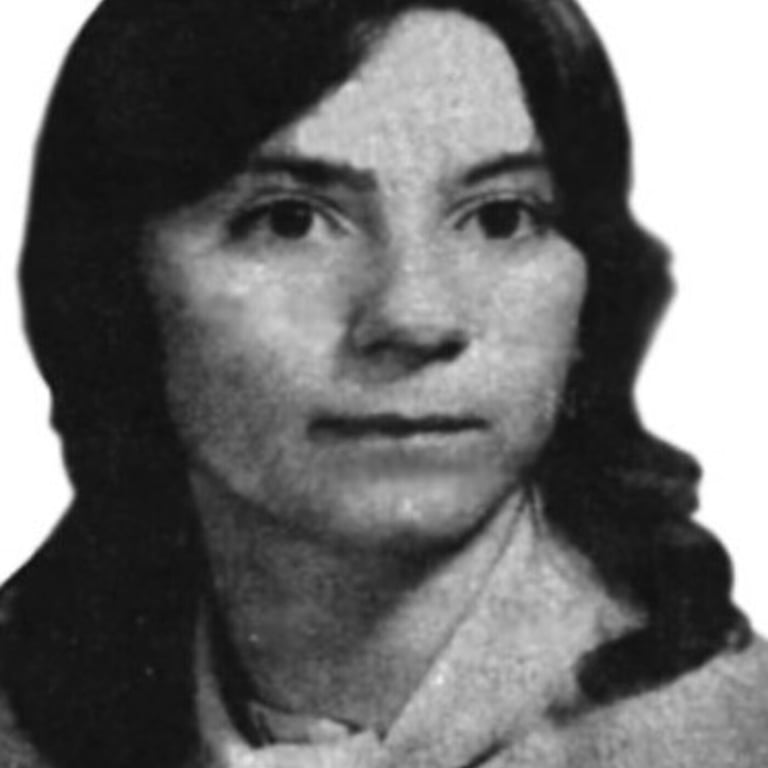
Margaret Eckard, a 92-year-old female, was a resident of the Kearsley Home, a rest facility connected with Christ Church Hospital in Philadelphia, Pennsylvania, when she died on January 12, 1983. She was described in online accounts as a long-time resident with a lively, well-liked presence inside the home. Her death did not immediately become a homicide investigation.
Staff found her in her room, and although there were troubling signs reported around her body, the first conclusion was that she had died naturally, an assumption made easier by her advanced age and known medical vulnerability.
That early ruling hid what investigators later believed had happened behind the closed door of her private room. Medical testimony at the later trial described Eckard as having suffered heart failure after being attacked and sexually assaulted. The assault was said to have aggravated her heart condition and caused her death. Reports about the case describe visible blood around her nose, mouth, and genital area, but at the time those signs did not lead to an immediate criminal investigation. Her death was treated as part of the quiet routine of an elderly-care institution rather than the first sign of a predator moving through the facility.
In the months after Eckard died, other residents at Kearsley Home were found dead under similarly disturbing circumstances. Kathryn Maxwell, Elizabeth Monroe, Lily Amlie, Mildred Alston, and Eugenia Borda were later identified as victims in the same series of attacks. The pattern became impossible to ignore after later examinations found evidence of sexual assault and violent deaths, including strangulation, suffocation, or drowning. The victims lived in private rooms, and police eventually focused on the possibility that the killer was not an intruder from outside, but someone who worked inside the home and knew its layout, routines, and vulnerable residents.
The suspect who emerged was Anthony Joyner, a young former kitchen worker at the facility. He had started working at Kearsley Home in October 1981 and was known around the institution as a familiar employee rather than an obvious threat. Investigators believed he used access within the building, including routes through the basement area, to enter residents’ rooms, attack them, and return to his duties without drawing immediate suspicion. His position at the home gave him the opportunity to move through spaces where an outsider likely would have been noticed.
Joyner was arrested on August 1, 1983, after police connected him to the deaths of two later victims. During questioning, he confessed to killing those residents, and the investigation widened. Authorities then looked back at earlier deaths, including Eckard’s, and the bodies of several victims were ordered exhumed for additional examination. Joyner later confessed to the other killings as well, including Eckard’s, though his defense challenged the reliability of those statements and argued that police had pressured or misled him. He was charged in connection with the deaths of the six Kearsley Home residents.
At trial in 1984, prosecutors presented the deaths as a series of sexual assaults and murders committed by a nursing-home employee who had targeted residents because they were isolated, physically vulnerable, and knew him. Medical testimony tied Eckard’s death to the assault in her room, explaining that her heart failed because of the physical and sexual attack. Joyner’s attorney disputed the confessions and argued that the case against him was flawed, but the jury convicted him of murder, rape, and burglary charges connected to the six deaths.
The jury could not agree on imposing the death penalty, which spared Joyner from execution. He was ultimately sentenced to six consecutive life terms for the killings. Eckard’s death, first mistaken for a natural passing inside a care facility, became recognized as the opening known murder in a series that exposed a horrifying failure to protect some of Philadelphia’s most vulnerable residents.