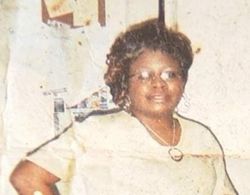
Grace Hill, a 65-year-old Black woman from Atlanta, was the last known victim in a terrifying burst of attacks that shook some of the city’s poorest neighborhoods in the spring of 1986. By the time she was found on April 9 in her apartment at the Herndon Homes housing project just west of downtown, police were already confronting the possibility that the killings of elderly women in the same area were not isolated crimes at all, but part of a pattern. Hill’s death came after other older women in Atlanta had been raped and strangled in similarly brutal circumstances, and investigators quickly began treating her case as part of the same series.
What emerged from the reporting of the time was the picture of a woman killed in her own home during a period when fear was spreading through the neighborhood. Police said the women had been attacked in the same rundown section of Atlanta, and Hill’s death deepened the dread because she was the most recent victim in that cluster. Her killing was not described as a random act in a distant part of the city, but as another blow in a concentrated series that made elderly women living alone seem especially vulnerable.
The investigation moved fast after Hill’s death. On April 23, 1986, Atlanta police publicly charged 31-year-old Richard Hunter in the murder of Annie Rochelle Copeland and said they believed he was also responsible for the killings of Grace Hill, Dena Mae Mike, and Aretha Clements. Reports from the time said Hunter had first been taken into custody on a probation violation, and authorities were then preparing evidence to seek indictments in the other slayings. Another report the next day said he was scheduled for arraignment, though a judge ruled that he should undergo psychiatric evaluation first. In other words, Hill’s case did produce a named suspect and an arrest, and police were already tying that suspect to the wider series almost immediately.
Later accounts identify Richard Louis Hunter as the man who ultimately admitted responsibility for the four Atlanta murders committed between March and April 1986. Those accounts describe him as a convicted forger and day laborer who raped and killed four elderly women, then robbed their apartments. They also state that he later pleaded guilty to the murders and related robberies and received life imprisonment. So while Hill’s death began as one more horrifying and unresolved killing in a frightened community, it did not remain unsolved: investigators found a suspect within weeks, and the case became part of the record of one of Atlanta’s serial murder cases of the 1980s.