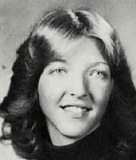
In the summer of 1989, a shadow fell over Overland Park, Kansas, with the disappearance of Joan Butler, a 24-year-old White/Caucasian woman. An ambitious graduate of the University of Kansas, Joan had recently moved to the area and was working as a buyer for a Kansas City advertising agency. The last time anyone saw her was in the early morning hours of June 18, 1989, after a night out with friends. Evidence found in her apartment, where she lived alone, suggested she made it home safely.
The clothes she had been wearing were discovered, along with a half-eaten piece of toast, a half-smoked cigarette, and a single contact lens, painting a picture of a life abruptly interrupted. A neighbor later recalled hearing a loud thud around 4:30 a.m. that same morning.
Joan, her red Chevrolet Corsica rental car, and approximately $900 from her bank account were all missing. The investigation into her disappearance took a significant turn when her rental car was located on June 25 in an apartment complex in Lenexa, Kansas. As authorities watched the vehicle, a man approached it and opened the trunk. Upon noticing the police, he quickly shut the trunk and fled, managing to escape. A chilling piece of evidence later surfaced from an ATM security camera on the night of June 26, showing a woman believed to be Joan wearing large sunglasses that could not conceal a large bruise on her forehead. This was the last known image of her.
The man who fled from the police was identified as Richard Grissom Jr. His fingerprints, wallet, checkbook, and driver's license were all found inside Joan's car. Further investigation of the vehicle uncovered an air pistol, pellets, CO2 cartridges, and a single drop of Joan's blood in the trunk. Scratches on the car's exterior suggested it had been driven through thick brush. Grissom, a house painter and maintenance worker who frequented local discos, was also linked to the disappearances of two other young women, Theresa Brown and Christine Rusch, that same summer. He was apprehended on July 7, 1989, at the Dallas/Fort Worth International Airport in Texas.
In 1990, despite the fact that the bodies of Joan Butler, Theresa Brown, and Christine Rusch were never found, Richard Grissom Jr. was convicted of their first-degree murders. The case against him was built on a strong foundation of circumstantial evidence. Grissom was sentenced to multiple life terms in prison and has never revealed the location of his victims' remains, leaving their families without the closure of a proper burial. His first opportunity for parole is not until 2071.