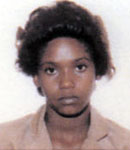
Barbara Ware, a 23-year-old Black woman, was tragically found dead on January 10, 1987, in the Central-Alameda area of Los Angeles. Her body was discovered in an alley on East 56th Street, and authorities determined that she had been fatally shot in the chest with a .25-caliber handgun. The circumstances surrounding her death were chilling: an anonymous 911 caller reported witnessing her body being dumped from a van, providing a full license plate number for the vehicle.
The van was later located in a church parking lot, but investigators found no useful evidence inside. The caller's detailed account raised suspicions, as detectives questioned how he could have identified the victim's gender or seen the license plate in a dark alley. This led to speculation that the caller might have been the perpetrator, though no definitive proof emerged.
Barbara Ware's murder was eventually linked to a series of killings attributed to the "Grim Sleeper," a serial killer who targeted women in South Los Angeles over several decades. The Grim Sleeper's modus operandi involved shooting victims and discarding their bodies in alleys, often partially clothed. Many of the victims, including Barbara Ware, were Black women, and some had traces of cocaine in their systems, suggesting the killer may have lured them with the promise of drugs. The case remained unsolved for years, with investigators struggling to connect the dots due to the lack of a national DNA database at the time.
In July 2010, a breakthrough occurred when Lonnie David Franklin Jr., a 57-year-old Black man, was arrested in connection with the Grim Sleeper killings. DNA evidence linked Franklin to the murders of 11 individuals, including Barbara Ware. Franklin, a former city trash collector and vehicle mechanic for the LAPD, was charged with 10 counts of murder and one count of attempted murder. Prosecutors noted that he was eligible for the death penalty. The arrest marked a significant turning point in the investigation, as authorities finally identified the man responsible for a reign of terror that had haunted the community for decades.
Barbara Ware's tragic death highlights the systemic challenges faced by law enforcement in addressing serial killings, particularly those targeting marginalized communities. The case underscores the importance of advancements in forensic technology, such as DNA analysis, in solving cold cases and bringing justice to victims and their families. While the arrest and conviction of Lonnie Franklin Jr. provided some closure, the impact of his crimes continues to resonate, serving as a stark reminder of the vulnerabilities faced by women in underserved areas.