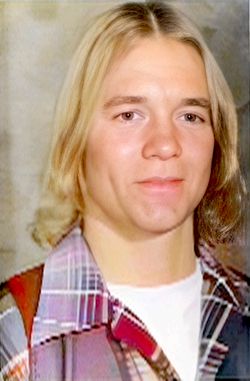
Daniel Ashton Walker, a 21-year-old white male, tragically lost his life on October 1, 1974, in the San Bernardino County desert, California. Walker was traveling in his van along Interstate 40, approximately 62 miles west of Needles, when he decided to park and rest. He was accompanied by an 18-year-old hitchhiker whom he had picked up earlier during his journey. Walker, described as a Good Samaritan, was known for his kind-hearted nature and willingness to help others.
Unfortunately, his generosity led to a devastating encounter.
At around 6 a.m., Walker was awakened by an unknown assailant who shot him multiple times. Despite being transported to a local hospital, he succumbed to his injuries. The hitchhiker, who had been asleep in the back of the van, managed to escape unharmed and later flagged down a passing motorist for help. Witness accounts described two white men leaving the scene in a gold van. Investigators initially believed robbery was the motive, as the suspects took $80 from Walker but left behind other valuables, including $600 in traveler's checks, a motorcycle, and a stereo system.
For decades, the case remained unsolved, with investigators exhausting all leads. However, nearly 50 years later, the San Bernardino County Sheriff's Department identified Thomas Eugene Creech, a 73-year-old death row inmate in Idaho, as the suspect behind Walker's murder. Creech, a serial killer with a history of violent crimes, was linked to the case through corroborated statements and intimate details he provided. Creech had previously confessed to numerous killings across the country, though not all of his claims were verified. He has been convicted of multiple murders, including the killings of housepainters John Wayne Bradford and Edward Thomas Arnold, as well as other victims.
The identification of Creech as the suspect brought some closure to Walker's family, who had long awaited answers. The case highlights the persistence of cold case detectives and the impact of advancements in investigative techniques. While the motive behind Walker's murder remains unclear, the resolution of the case serves as a testament to the dedication of law enforcement in seeking justice for victims and their families.