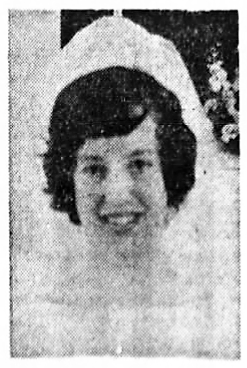
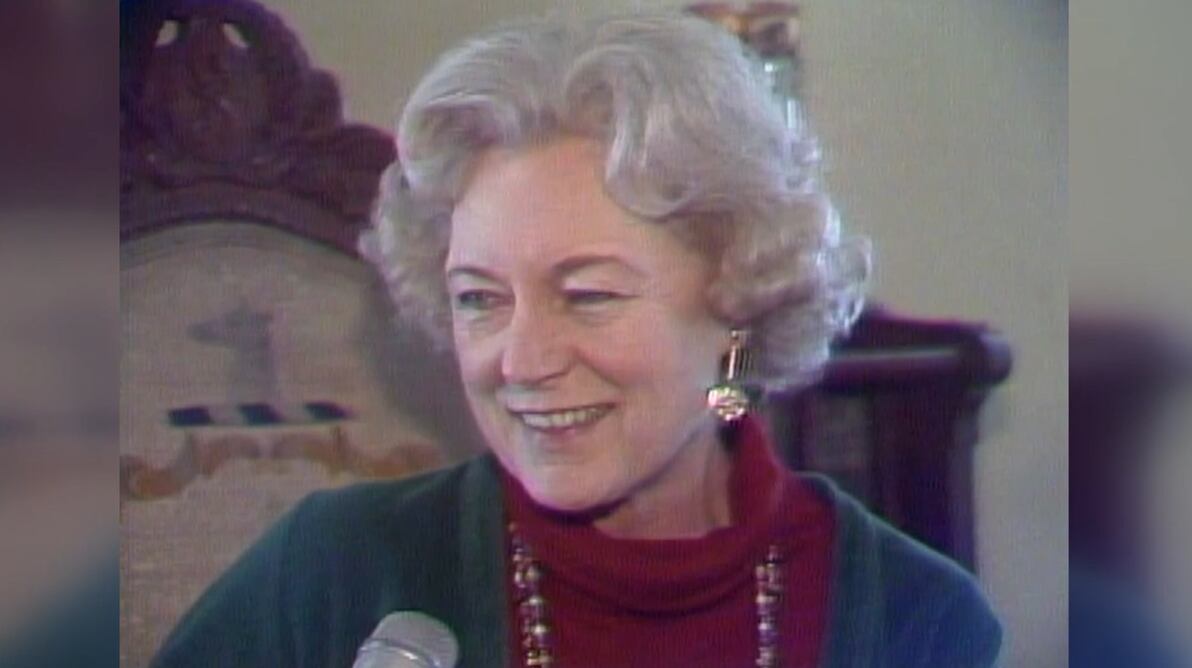
On a summer day, July 25, 1981, 37-year-old Mary Elizabeth Critchley, a White female, embarked on a journey that would tragically be her last. A student at the University of Vermont, she was dropped off by a friend near exit 13 of the Massachusetts Turnpike in Framingham, Massachusetts. Her plan was to hitchhike to Waterbury, Vermont, where she was residing with a friend. This was the last time she was seen alive.
For weeks, her whereabouts remained a mystery.
Then, on August 9, 1981, her body was discovered in a wooded area off of Unity Stage Road in Unity, New Hampshire. Due to the condition of her remains, the medical examiner was unable to determine an official cause of death. However, the circumstances surrounding her disappearance and the location where she was found led authorities to deem her death suspicious and a homicide.
Critchley's case remains unsolved, and no arrests have ever been made in connection with her death. Her murder is believed to be part of a string of killings attributed to a serial killer known as the Connecticut River Valley Killer, who is thought to have murdered at least seven women between 1978 and 1987 in the area straddling the New Hampshire and Vermont border. Many of the victims were, like Critchley, last seen hitchhiking. Another victim of this suspected serial killer, Eva Morse, was found in 1986 only about 500 feet from where Critchley's body was discovered. While there have been persons of interest and composite sketches related to the broader series of murders, a definitive suspect in Mary Elizabeth Critchley's death has never been publicly identified.