In the quiet community of Clearview, Washington, the life of 23-year-old Caucasian female Renae Wicklund was irrevocably altered one December day in 1974. A man named Charles Rodman Campbell attacked and sexually assaulted her at knifepoint, threatening the life of her infant daughter, Shannah. Renae, showing immense courage, reported the crime and later testified against her attacker in court. Her neighbor, Barbara Hendrickson, also testified, corroborating the trauma Renae endured.
Their testimony led to Campbell's conviction and a lengthy prison sentence. However, the justice system that was meant to protect them would ultimately fail in the most tragic way imaginable. Unbeknownst to Renae and her family, Campbell was granted work release after serving only a fraction of his sentence.
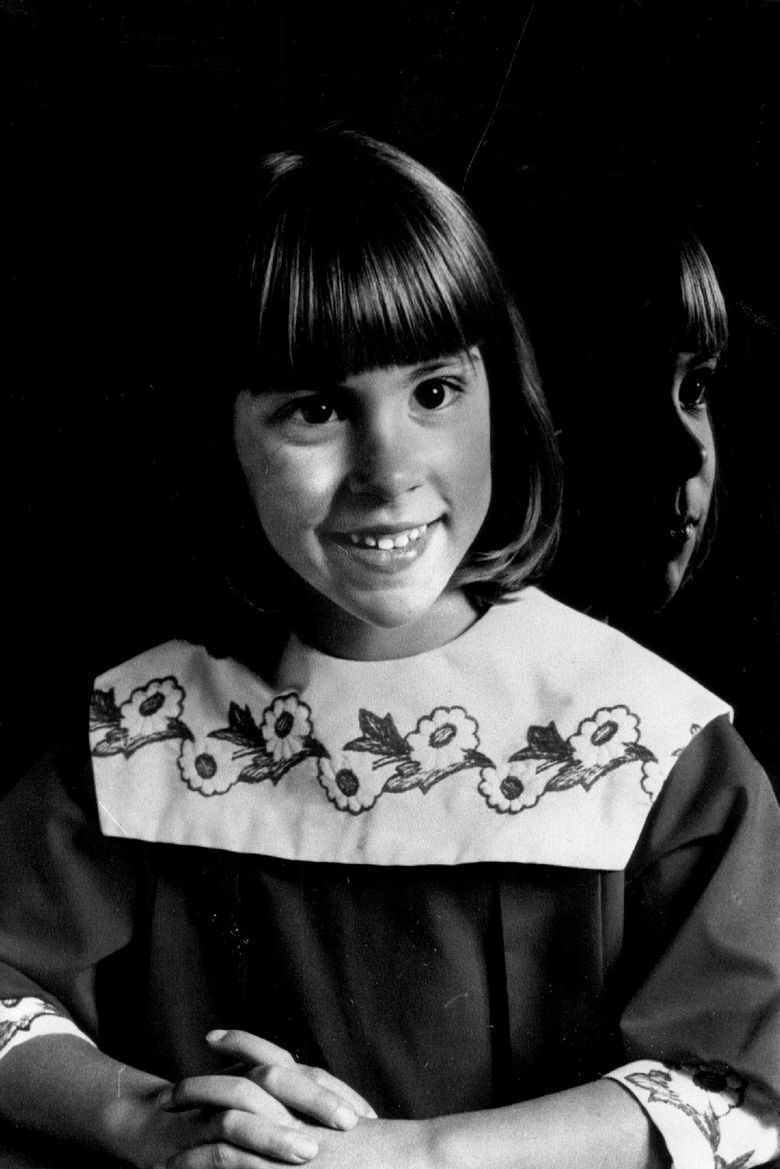
On April 14, 1982, a day that would forever be etched in the memory of the Clearview community, Campbell sought his revenge. Now 31 years old, Renae was at home sick when Campbell broke in. He subjected her to a brutal assault, beating and strangling her before ending her life by slashing her throat. The horror did not end there. Later that day, her eight-year-old daughter, Shannah, and their kind-hearted neighbor, 51-year-old Barbara Hendrickson, who had come to check on the ailing Renae, met the same violent fate. The scene discovered later that evening by Barbara's husband was one of unimaginable carnage, a massacre born from a vengeful heart.
The investigation quickly centered on Charles Campbell. Evidence tying him to the gruesome scene was overwhelming, including a bloody handprint left at the residence. He had also stolen jewelry from Renae's home, attempting to sell it shortly after the murders. Within a week, Campbell was arrested and charged with three counts of aggravated first-degree murder. The community was shocked to learn that a convicted felon had been living in a nearby work-release facility with little supervision.
Charles Campbell was convicted of the three murders in November 1982 and subsequently sentenced to death. After years of appeals, his sentence was carried out on May 27, 1994. He was executed by hanging, bringing a final, grim chapter to a story of systemic failure and brutal revenge. The tragic deaths of Renae Wicklund, her young daughter, and a caring neighbor led to changes in Washington state law, mandating that victims be notified of their attacker's release from prison, a legacy born from an unbearable loss.