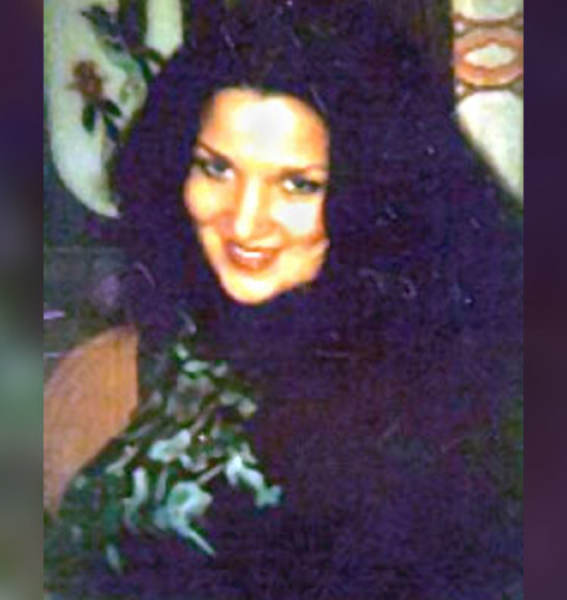
On October 5, 1987, Joan Hayes, 53, a woman from West Islip, New York, was a patient at Good Samaritan Hospital when her condition suddenly turned into a fight for breath. She had been hospitalized with serious health problems, including kidney trouble described in later accounts of the case, and she was in the kind of setting where alarms and IV lines fade into the background noise of routine care. Then, without warning, she slipped into respiratory arrest.
Staff rushed in, a code was called, and the room filled with the practiced urgency of resuscitation efforts, but by the end of the night she was gone.
In the weeks around her death, the hospital was gripped by a growing unease: patients who were not expected to crash were suffering sudden, catastrophic collapses. What first looked like a string of grim coincidences began to resemble a pattern, especially as similar emergencies continued into October. Investigators would eventually focus on paralytic drugs used in anesthesia and intensive care—medications that can silently shut down the muscles needed to breathe. When authorities later examined a cluster of suspicious cases from that period, Hayes was included among the patients in whom traces of a drug commonly known by the brand name Pavulon were reported.
The break in the mystery came after a visitor in the same hospital, Gerolamo Kuchich, survived an episode that he said began with a stranger at his bedside and something added to his IV. Tests found paralyzing agents in his system that had not been prescribed, and the description he gave helped narrow attention to a staff member who fit it. A search tied to the investigation turned up evidence that fueled prosecutors’ suspicions, and the spotlight fell on Richard Angelo, a young nurse working at Good Samaritan. In November 1987, he was arrested initially in connection with the assault on the surviving patient. As the inquiry widened, exhumations and toxicology reviews were used to map the scope of what might have happened during the months he worked in the unit.
Hayes’s death became part of that expanding timeline: she died on October 5, only days before other patients suffered similar sudden collapses. The developing theory was chilling in its simplicity—an injection of a paralytic could cause a victim to suffocate while appearing outwardly unable to move or call for help, and the resulting crisis might be mistaken for a natural turn in a seriously ill patient. In retellings of the case, her decline is described as abrupt, consistent with a respiratory shutdown rather than a slow slide, and her case was referenced alongside other suspected victims when investigators looked for chemical fingerprints that did not belong in routine care.
Angelo ultimately faced sweeping scrutiny for a larger set of attacks and deaths connected to the hospital, and the courtroom battle centered on how many charges the evidence could hold up. In 1989, he was convicted on multiple counts, including second-degree murder and other homicide-related charges tied to several patients, along with assault counts, and he received a sentence that kept him in prison for decades. The investigation, however, was broader than the final verdict: authorities examined many more cases than those that became convictions, and not every death linked by suspicion and toxicology findings was resolved in court to the same degree. Hayes’s death remained embedded in the narrative of that hospital crisis—one of the lives lost during the months when trust in a place meant for healing was shaken by the possibility that the danger had been standing at the bedside.