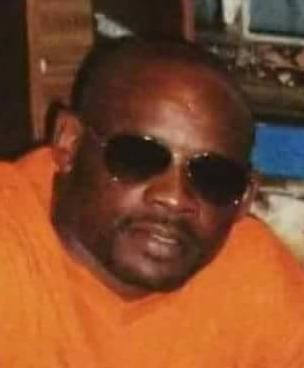
Cory Detrail Beasley, a 19-year-old Black man from St. Louis, Missouri, died in early September 2008, according to public death-index style listings tied to Social Security/Death Master File data. Those same listings are internally inconsistent about the exact date, with the death recorded as either September 1, 2008 or September 2, 2008, but they place the death in Missouri and associate it with the name Cory D./Cory Detrail Beasley and a Missouri-linked Social Security number.
Beyond that thin official footprint, the publicly available record becomes frustratingly quiet. In the years since, Beasley’s name has appeared in a national investigative database of killings in major American cities that did not result in an arrest, signaling that—at least within the scope and time window of that project—his case was counted among homicides where no arrest was recorded. The database presentation does not, on its own, supply a narrative of what unfolded, but the inclusion carries a blunt implication: someone was lost, and accountability—if it ever came—was not reflected there.
Because no official public case summary or contemporaneous police release tied to Beasley surfaced in accessible online materials reviewed here, there are no reliable, source-supported details to safely pin down about where the fatal incident occurred, what weapon was used, who witnessed it, or what investigators believed in the first hours. There is likewise no verifiable online reporting located here naming a suspect, describing a motive, or documenting an arrest, charge, trial, or conviction connected to his death. What remains instead is the kind of outline that families of the unsolved recognize too well: a name, a date that doesn’t match cleanly across records, and an absence where answers are supposed to be.
In that absence, the case reads like a story told in negative space. A life that should have left behind a trail of ordinary milestones ends up represented online by administrative echoes and a line in a national accounting of killings without arrests. Whatever investigators did and didn’t learn back then, whatever leads were chased or went cold, and whatever people in the neighborhood may have known, none of it appears in the open sources available here in a way that can be responsibly repeated as fact.