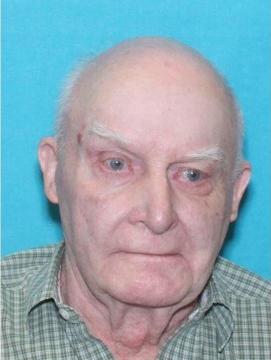
David Hubert Gunby, a 23-year-old white male, was a victim of the infamous University of Texas Tower shooting on August 1, 1966. On that tragic day, Charles Whitman, a 25-year-old ex-Marine and architectural engineering student, ascended the University of Texas clock tower with an arsenal of weapons and began firing at people below. Whitman killed 14 people and wounded 31 others before being shot to death by police.
David Gunby was among those injured; he was shot in the back while walking across the courtyard beneath the tower after leaving the campus library.
During surgery, doctors discovered that Gunby had been born with only one functioning kidney, which had been damaged by the bullet. This injury led to chronic kidney problems, and Gunby had to undergo dialysis treatment three times a week for the rest of his life. Despite these challenges, he returned to school and earned his degree in 1968. He worked in the General Dynamics avionics department for nearly 15 years before retiring due to layoffs in 1991.
Gunby's health continued to deteriorate over the years, and he faced repeated kidney problems, including a transplant that his body rejected. In November 2001, at the age of 58, Gunby decided to stop dialysis treatment, leading to his death on November 12, 2001. The Tarrant County medical examiner ruled his death a homicide, attributing it to complications from the gunshot wound he sustained 35 years earlier.
The ruling brought the total number of people killed by Whitman to 15. Whitman himself had been killed by police on the tower's observation deck on the day of the shooting. Earlier that day, he had also killed his mother and wife. The unusual ruling of Gunby's death as a homicide had no legal implications but highlighted the long-term impact of the injuries he sustained during the shooting. Gunby's family accepted his decision to stop dialysis, acknowledging the immense pain and suffering he had endured throughout his life.