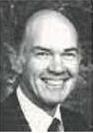
Jerry Mac Brown, a 51-year-old male of Caucasian ethnicity, was tragically murdered on October 8, 1983, in Sherman, Texas. Brown, an interior designer from Sherman, was one of four victims found in a metal building used as a hangar for ultralight airplanes on a ranch near Sherman. The other victims included Bob Tate, 51, a building contractor and ranch owner; Philip Good, 29, a Grayson County Sheriff's Deputy; and Ronald Mayes, 37, a former Sherman police officer.
The investigation into their deaths was complex and baffling for law enforcement. The victims had gathered at the hangar to meet with an unknown individual to discuss the sale of an ultralight aircraft. When their bodies were discovered, each had been shot multiple times, and they were found stuffed under carpet remnants in the hangar. A .22-caliber weapon was used in the shootings, but investigators were unable to determine the exact number of weapons or killers involved.
One significant lead in the case was the disappearance of an ultralight aircraft from the hangar, which was believed to have been taken on the day of the murders. However, authorities doubted that the theft of the aircraft alone could be the motive for the killings. The case remained unsolved for many years, with no clear suspects or motives identified.
In 2015, Lester Bower Jr., a chemical salesman from Arlington, Texas, was executed for the murders of Brown and the other three victims. Bower was convicted of stealing the ultralight aircraft and killing the men as they arrived at the hangar to complete the sale. Despite his execution, some questions and controversies surrounding the case persisted, including claims of insufficient evidence and the possibility of other individuals being involved.
The tragic deaths of Jerry Mac Brown and the other victims left a lasting impact on the community of Sherman and raised numerous questions about the circumstances and motives behind the murders.