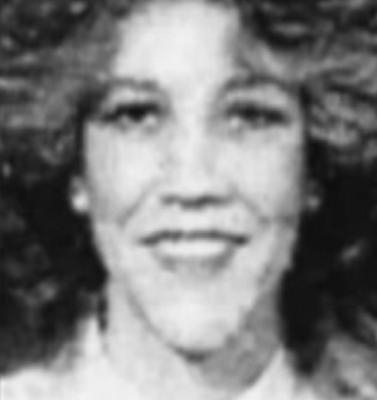
Su-Zann Neal Rashott, a 36-year-old woman from Killeen, Texas, tragically lost her life on October 16, 1991. She was one of the victims of the infamous Luby's Cafeteria massacre, one of the deadliest mass shootings in U.S. history. On that fateful day, George Hennard, an unemployed former merchant seaman, drove his pickup truck through the front window of the Luby's Cafeteria in Killeen and opened fire on the patrons and staff inside. The attack resulted in the deaths of 23 people, including Su-Zann Rashott, and left 27 others injured.
The massacre occurred at around 12:39 p.m. on October 16, 1991, when Hennard crashed his truck into the crowded cafeteria. Armed with two pistols, he began shooting indiscriminately, targeting both men and women. Witnesses reported that Hennard shouted misogynistic remarks as he carried out the attack, indicating a possible motive rooted in hatred towards women. The shooting lasted for approximately 12 minutes before Hennard was confronted by police officers. During a brief shootout with the police, Hennard was seriously wounded but refused to surrender. He ultimately took his own life, bringing the horrific event to an end.
In the aftermath of the massacre, investigations revealed that Hennard had a history of troubled behavior and had expressed deep-seated anger and resentment towards women. Despite the extensive investigation, no other individuals were found to be involved in the planning or execution of the attack. The case was closed with Hennard being identified as the sole perpetrator of the massacre.
The tragic death of Su-Zann Rashott, along with the other victims, left a lasting impact on the Killeen community and the nation as a whole. The Luby's Cafeteria massacre prompted discussions on gun control, mental health, and the need for improved security measures in public spaces. Memorials and tributes were held to honor the victims, and their memories continue to be remembered by their loved ones and the community.