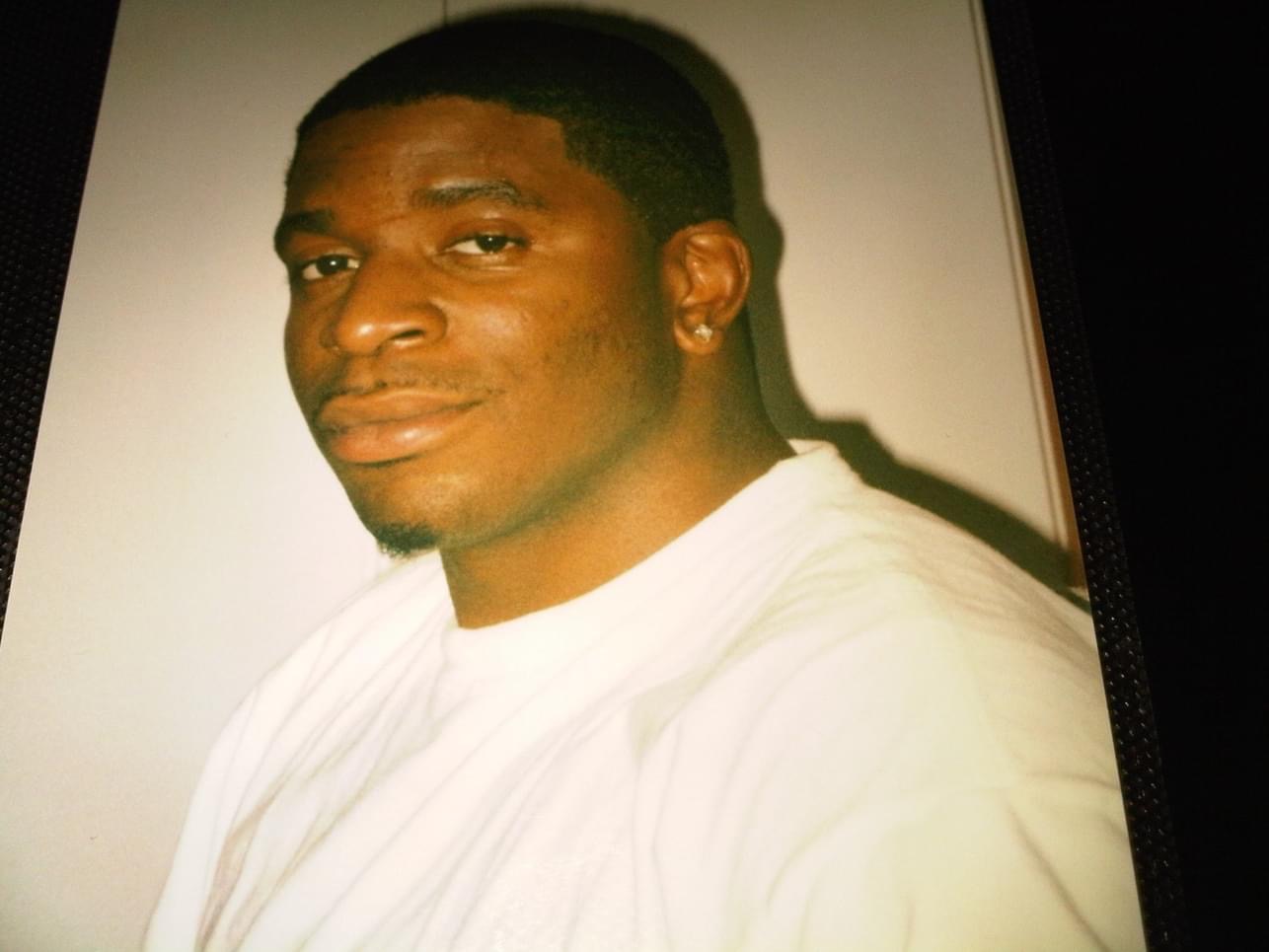
Arti “Armanti ‘Monti’” Bonner was remembered by the names people called him—Monti, Goldenchild, Monti Bon Bon—little flashes of closeness that survived him. He was a 20-year-old Black male from St. Louis, Missouri, the kind of young man friends described as kind, helpful, and thoughtful, someone who carried an easy smile and a steady, level-headed way of handling whatever came his way.
On August 6, 2009, his life ended in gun violence in Saint Louis. What remains publicly visible is not a courtroom record or a long chain of official updates, but a memorial shaped by the people who knew him—candles lit in his name, a contributed photo, and brief, aching messages that read like someone still talking to him because it hurts too much to stop.
In the details his loved ones chose to share, Monti becomes more than a headline: he liked driving, video games, swimming, and music; he played baseball; he studied aikido; he cooked, laughed, and tried to make other people laugh, too. He was described as a student, and also, in the way ambitious young men sometimes speak their dreams out loud, as a “boss,” an “entrepreneur,” someone determined to keep everything afloat and to see the people he loved “shine.” His schooling was traced across places and years—Evergreen Primary in University Place, Washington; then Steven Middle in St. Louis; Soldan International Studies; and Ranken Technical College—like a road map of the life he was still building.
In the source information available here, there are no named suspects, no arrests, and no charges described in connection with his killing—no public accounting of who pulled the trigger or why. Instead, the record that can be seen is the one left behind by memory: a young man spoken of in present tense by the people who loved him, and a date in August when St. Louis lost him.