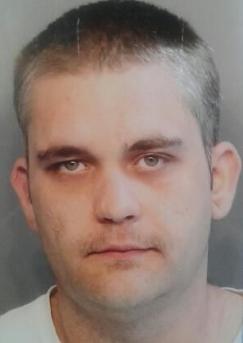
In the autumn of 2015, the community of Soddy-Daisy, Tennessee, was shaken by the discovery of a young man's body. Timothy Brian Stewart, a 33-year-old Caucasian male, was found on October 15, 2015, at the base of a 200-foot bluff in a wooded area off Layne Road. Initially, investigators considered the possibility that he had tragically fallen to his death. However, the grim reality of the situation was uncovered during the subsequent autopsy, which revealed that Stewart had died from a gunshot wound to the head. It was determined that his body had been there for several days before being found.
For nearly three years, the case remained a perplexing mystery, leaving a void in the lives of his family and friends. Then, in September 2018, a significant breakthrough occurred in the investigation. Authorities arrested a brother and sister, Randy Layne, then 35, and Kattie Lynn Layne, then 32, in connection with Stewart's death. The arrests brought a wave of anticipation for justice within the community. Randy Layne faced the grave charge of criminal homicide, while his sister, Kattie Layne, was charged with abuse of a corpse and criminal responsibility for the facilitation of a criminal homicide.
The case against the Layne siblings appeared to be built on compelling witness testimony. One individual claimed to have heard Randy Layne admit to being with Stewart's body and injuring his own hands. An even more damning account came from another witness who reported that Layne had confessed to shooting Stewart in the back of the head and then pushing his body over the bluff. According to one report, a witness claimed to have seen Randy Layne shoot Stewart, after which Kattie Layne allegedly pushed the victim's body off the cliff.
Despite the initial charges and what seemed to be strong evidence, the path to justice took an unexpected turn. In July 2022, the charges against both Randy and Kattie Layne were dismissed, leaving the case unresolved and Timothy Brian Stewart's family still searching for answers. The reasons for the dismissal were not immediately made public, adding another layer of complexity and frustration to a case that had already seen years of uncertainty. The community was left to grapple with the unsettling reality that, despite arrests being made, no one was ultimately held responsible for the violent end to a young man's life.