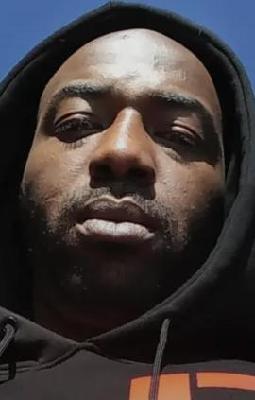
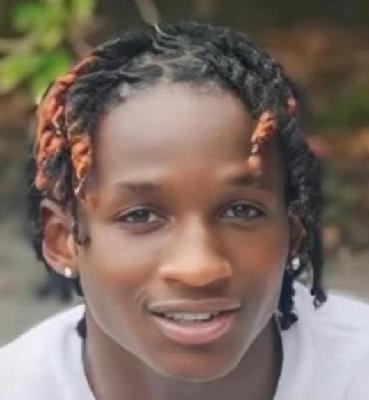
On October 8, 2017, the life of 28-year-old Marco Dewayne Green was tragically cut short in a violent incident in Kansas City, Missouri. Green, a male resident of the area, was a devoted father of four children—three daughters and one son—and was known to be working hard on rehabilitating a house for his family at the time of his death. Early that Sunday morning, around 6:20 a.m., police officers were dispatched to the East Hills Village Apartments located in the 7600 block of Monroe Avenue
following reports of gunfire. Upon arrival, first responders discovered Green suffering from fatal gunshot wounds. He was transported to a local hospital, but despite medical efforts, he succumbed to his injuries.
The investigation into the homicide revealed critical evidence captured by surveillance cameras in the area. Video footage showed Green exiting his vehicle and walking toward a black Nissan Altima. Shortly after he approached the car, a muzzle flash was visible originating from the rear driver’s side of the vehicle, striking Green. Detectives recovered several shell casings from the scene, which became a pivotal link in identifying the perpetrator. Further police work connected the black Nissan Altima to a suspect named William L. Johnson. Investigators learned that Johnson had reportedly fled to a property in Kansas where he was known to discharge firearms. A search of that property yielded shell casings that forensic analysis matched to those found at the crime scene in Kansas City. Additionally, a witness placed Johnson in the Nissan on the day of the shooting.
In August 2018, nearly a year after the murder, prosecutors announced charges against William L. Johnson, born July 8, 1990. He was charged with first-degree murder and armed criminal action. For years, Green's grieving family awaited a trial, hoping for a conviction that would reflect the severity of the crime. However, the legal proceedings took a turn that left the victim's loved ones devastated. In December 2022, just days before Johnson was set to stand trial, a judge accepted a plea deal. Under the terms of the agreement, the first-degree murder charge was reduced to involuntary manslaughter. The sudden shift in the case concluded the legal battle but sparked outrage among Green's family, who felt the plea deal failed to deliver true justice for the loss of the young father.