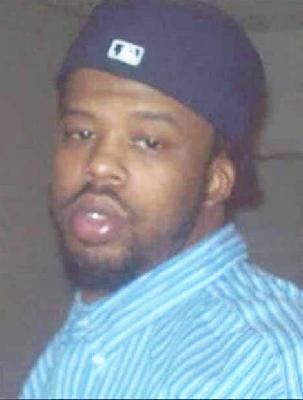
Levon Page, a 17-year-old young man from Chester, Pennsylvania, lost his life on February 29, 1992, in an incident of gun violence that left a void in the lives of those who knew him. His story, though not widely documented, is a painful reminder of the tragedies that unfold in communities across the country, often without the justice or closure that families seek. Levon's untimely death was not just another statistic; it was the loss of a son, a friend, and a young person with dreams and aspirations that were cruelly cut short.
At just 17 years old, Levon Page had his whole life ahead of him. The tragedy of losing someone so young is immeasurable, as it extinguishes a future filled with possibilities. Whether he was an athlete, a scholar, or simply a teenager navigating the complexities of growing up, his presence mattered. His family and friends were undoubtedly left shattered, forced to carry on with the weight of his absence. Losing a loved one to violence is an unimaginable burden—one that brings not only grief but also endless questions that may never have answers.
Despite the passage of time, there is very little publicly available information regarding the circumstances surrounding Levon’s death. Who was responsible? Was there an arrest? Did an investigation bring any sense of justice to those who mourned him? These questions remain unanswered, lost to the void of incomplete records and forgotten news reports. This lack of information is not uncommon, especially for cases from the past that did not receive widespread media coverage. However, that does not mean Levon’s story should be forgotten.
In today’s world, online memorials provide a way for communities to remember and honor victims of violence. On platforms like Gun Memorial, individuals can light virtual candles and leave messages of remembrance, ensuring that Levon’s name lives on. These digital tributes serve as small acts of defiance against the erasure of victims who might otherwise be lost to history. While they may not bring justice, they offer a form of collective mourning, a place where people can express their sorrow and support.
The tragic reality is that many young Black men like Levon Page have fallen victim to violence, often in communities that struggle with systemic issues such as poverty, crime, and lack of resources. Chester, Pennsylvania, like many cities, has experienced its share of heartbreak due to senseless acts of violence. For every well-documented case that receives national attention, there are countless others that fade into obscurity, leaving families to grieve in silence without the support that high-profile cases often receive.
Levon’s story serves as a somber reminder of the importance of preserving these histories, advocating for justice, and ensuring that victims are not forgotten. Every life taken by violence leaves behind ripples of pain that extend far beyond just family members—they affect friends, neighbors, and entire communities. It is a collective loss, one that should compel society to do better, to demand answers, and to work towards a future where tragedies like this become far less common.
Though details of Levon Page’s case remain elusive, one truth is clear: his life had value. He was loved. He was important. And he should be remembered.