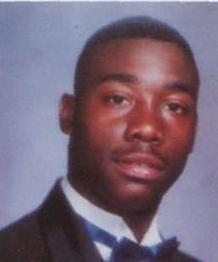
On a spring evening in Chester, Pennsylvania, the life of 21-year-old John Lacey was tragically cut short in a senseless act of violence. On May 3, 2003, the Widener University junior was walking from his campus apartment to a nearby off-campus bar to buy beer. At approximately 11:30 p.m., while talking on his cell phone with his girlfriend, Lacey was accosted by two individuals in the parking lot of Walio's Frog Pond Café.
The assailants, who had been lurking in the parking lot,
attempted to rob Lacey. In a desperate attempt to escape, he turned and ran. However, one of the attackers fired a gun, striking him in the back. Despite his severe injury, Lacey managed to stagger into the bar before collapsing on the floor. He had only six dollars in his pocket at the time of the attack.
The investigation into the murder of the young man from Upper Darby led to the arrests of two individuals: Brandon Khalif Summers and Jaliek Williams. The subsequent legal proceedings revealed a grim picture of a robbery that escalated to murder. Summers, who was 17 years old at the time of the crime, was identified as the shooter.
In 2005, a jury found Brandon Khalif Summers guilty of second-degree murder and robbery. He was subsequently sentenced to a mandatory term of life in prison without the possibility of parole. His accomplice, Jaliek Williams, was found guilty of robbery.
Years later, the case took another turn due to landmark decisions by the U.S. Supreme Court concerning mandatory life sentences for juvenile offenders. As a result of these rulings, Summers, who had been sentenced as a juvenile to a life term, became eligible for resentencing. In May 2019, his sentence was reconsidered, and he was given a new sentence of 40 years to life in prison.
In the aftermath of their son's death, John Lacey's mother filed a wrongful death lawsuit against Widener University. The lawsuit alleged that the university had been negligent in providing adequate security in and around the bar, a location that had been the site of previous violent crimes. The case went through a lengthy legal process, including an appeal to the Pennsylvania Superior Court, which ruled that the suit must go to trial.