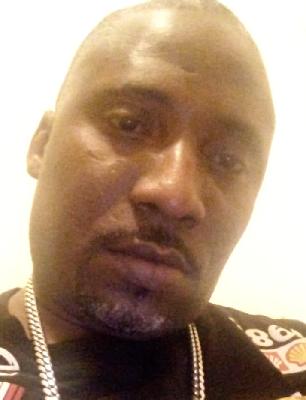
In Detroit, the story of Carl “CJ” McIntire’s death is tragically intertwined with another violent crime, leaving a trail of unanswered questions and unresolved justice. The full picture of what happened to McIntire remains clouded, with official sources hinting at a dark conspiracy of betrayal and silence.
McIntire was a close friend of Edward Charles-Montique Hicks. Their bond, however, appears to have dissolved in the face of a sinister plot.
Hicks was involved in the murder of a woman named Harris in 2011, and McIntire had knowledge of this crime, even describing the gruesome details of how he had fatally shot her. This knowledge proved to be a dangerous burden.
Sometime after the murder of Harris, Carl McIntire himself was found dead. While the specific details of his death are not extensively publicized, court documents from the trial of Edward Hicks for conspiracy to commit the murder of his own mother strongly imply that McIntire was a victim of foul play. During the trial, it was stipulated that McIntire was deceased.
The prosecution in Hicks’s trial raised questions about the circumstances surrounding McIntire’s death, suggesting a possible motive for his murder. The implication was clear: Hicks may have killed his friend to silence him and cover up his own involvement in the earlier homicide. This line of questioning was ultimately deemed improper by the court as it risked prejudicing the jury. However, the suspicion lingered. A police statement from McIntire’s cousin, Daniel Brooks, also indicated that Hicks had been accused of murdering McIntire.
Despite these strong suggestions of his involvement, and the clear motive, Edward Charles-Montique Hicks was ultimately convicted of conspiracy to commit first-degree murder in the death of his mother. The case of Carl McIntire’s death, however, appears to remain one of the many unsolved homicides that plagued Detroit around that time, a somber testament to a community grappling with violence and the fear that can stifle the pursuit of justice.