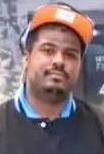
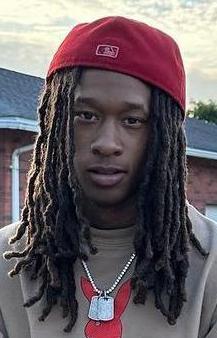
Henry Lee Dupree, a 58-year-old African American male, was tragically murdered on August 27, 1994, while working as a security guard at an adult bookstore in Eastlake, Ohio. Dupree was shot multiple times by Frederick Treesh, who was on a crime spree at the time. The incident also resulted in injuries to the store cashier, Louis Lauver, who survived the attack.
Frederick Treesh was arrested shortly after the murder.
He was convicted of aggravated murder, attempted murder, and felonious assault. During the trial, it was revealed that Treesh had been involved in a week-long crime spree that included bank robberies, carjackings, and a kidnapping. Treesh's accomplice, Benjamin Brooks, was also arrested and later pleaded guilty to murder to avoid the death sentence, receiving a sentence of 40 years to life in prison.
Treesh was sentenced to death and executed by lethal injection on March 6, 2013. In his final statement, Treesh apologized to Dupree's family but did not express remorse for other crimes he was accused of committing during his crime spree. The execution marked the end of a lengthy legal process that included multiple appeals and litigation efforts.
The case drew significant attention due to the brutality of the crime and the subsequent legal proceedings. The execution of Treesh was also notable as it was the first in Ohio that year and the fourth in the United States. The case highlighted issues related to the death penalty and the criminal justice system's handling of violent crime cases.
In summary, Henry Lee Dupree's death was a tragic result of a violent crime spree, leading to the arrest, conviction, and execution of Frederick Treesh, while his accomplice received a lengthy prison sentence. The case remains a significant example of the legal and ethical complexities surrounding capital punishment and violent crime.