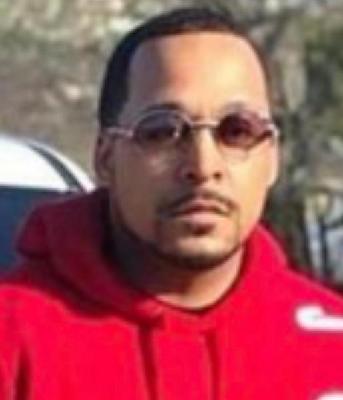
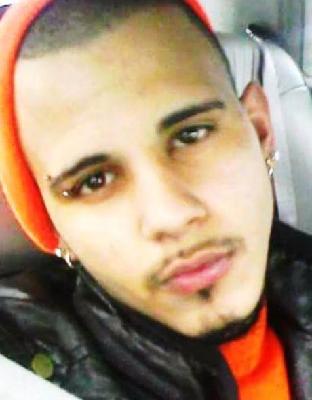
Antonio Martel Clark Jr. was just 18 when his life ended in Detroit, a city he had grown up in and a place that held both the ordinary rhythms of daily life and the harsher realities that too many young people faced. Born on January 2, 1993, he entered the world at the very start of a new year, a moment that must have filled his family with hope. Nearly nineteen years later, in the final days of 2011, that hope was replaced with heartbreak when he was killed on December 30.
He was found near Hubbell Street on Detroit’s northwest side, a community of modest homes and long-settled families, the kind of neighborhood where people wave across porches and children grow up playing in the same streets their parents once did.
His death became one more entry in a year that had already seen too many families shattered by violence. Detroit closed 2011 with 344 homicides, a staggering number that reflected not just individual tragedies but the weight of years of economic struggle, neighborhood instability, and the easy reach of weapons that could end a life in an instant. Within that long list of names and numbers, Antonio Clark’s stands at the very end—a quiet reminder that even on the second-to-last day of the year, someone’s loved one could still be taken without warning, without explanation.
Public records show little about what happened in the moments leading up to his death. There is no police description of a suspect, no record of an arrest, and no indication that anyone was ever charged. His case, like so many others from that year, appears to remain without a documented resolution, leaving a void where answers should be. Families impacted by unsolved cases often describe the same ache: the feeling of being suspended between grief and uncertainty, waiting for information that may never come. For Antonio’s loved ones, that absence must have been especially heavy.
After his death, he was laid to rest at Trinity Cemetery on Detroit’s east side, a burial ground where generations of Detroiters have been memorialized. Among the stones and quiet paths, his name is etched into a place meant for remembrance, a final resting spot for a young man whose story ended long before it should have. Though the public record preserves only the barest details—his age, his name, the date and place of his death—those who knew him would have carried far more: the sound of his voice, the small habits that made him recognizable in a crowd, the dreams he may have shared, and the ones he never had time to pursue.
The silence surrounding Antonio Clark’s case reflects a broader reality faced by many families in Detroit during that time, when homicide clearance rates in the city and state were painfully low. Without arrests or answers, the narrative of a life is reduced to fragments, yet those fragments still speak to the loss of a teenager standing on the edge of adulthood. His story is part of the city’s history, woven into a year marked by grief, resilience, and the quiet hope that someday the truth would surface.
For now, what remains publicly is the outline of a young man whose life mattered—to his family, to his community, and to the city where he grew up. His name persists not only in records but in the memories of those who loved him, serving as a testament to a life interrupted and a reminder of the enduring cost of unresolved violence.