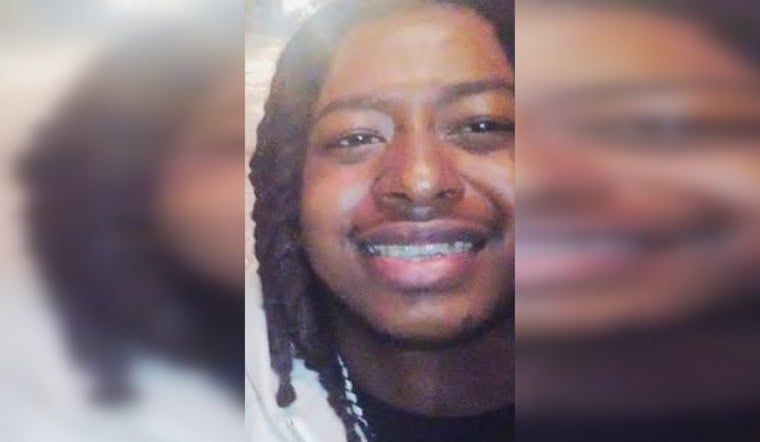
Ronnie Davis, 30, a Black man from Detroit, Michigan, came home on July 21, 2013, expecting an ordinary evening in his neighborhood on Seyburn Street. In that stretch of the city, curbside parking wasn’t just a convenience—it was an unspoken system. With no driveways to separate one home from the next, residents treated certain spaces like they were theirs, and small frustrations could simmer into something bigger. That day, after returning from the store, Davis waited in his car for the spot he typically used, idling in place as the street carried on around him.
Across the same street lived Gregory Midgyett, and the dispute over that parking space turned into the kind of confrontation neighbors later had to replay in court. Midgyett’s account was that the argument escalated until Davis pointed a gun at him, and that he fired only because he believed he was about to be shot. But the physical story left behind didn’t match that claim in the way a self-defense case needs: Davis’s gun was never found, and no witness testified to seeing Davis holding one during the encounter.
The shooting set off a criminal case that focused as much on what could be proven as on what was said afterward. Midgyett was charged and tried in Wayne County, and the jury heard his explanation for why he fired—but ultimately rejected it. The jury convicted him of second-degree murder and multiple firearms offenses, including being a felon in possession of a firearm, carrying a concealed weapon, and felony-firearm as a second offense.
At sentencing, the court treated the case as more than a neighborhood dispute that went too far. Midgyett was sentenced as a fourth habitual offender. The record reflects a jury conviction and an offense date of July 21, 2013, followed by sentencing on February 11, 2015. For the murder conviction, he received a term of 25 to 60 years, alongside additional prison terms for the weapons convictions.
Midgyett appealed, arguing that rulings at trial kept out evidence he believed would have supported his version of events, including testimony tied to what he said shaped his fear of Davis. The Michigan Court of Appeals upheld the convictions, noting that even where Midgyett framed certain excluded statements as relevant to his state of mind, the core problem remained: the jury had already heard his self-defense account, and the surrounding evidence—especially the absence of any recovered gun and the lack of corroborating witnesses—did not support it.
State prison records list Midgyett as incarcerated with an earliest release date decades in the future, reflecting the severity of the sentence imposed after the jury’s verdict. For Davis’s loved ones, the case left a grim narrative behind: a routine wait for a parking space, a sudden eruption of violence, and a courtroom conclusion that the killing was not justified as self-defense.