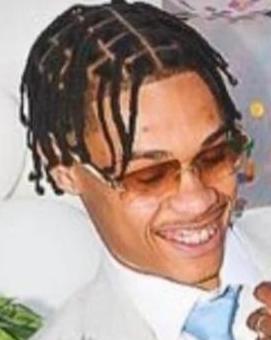
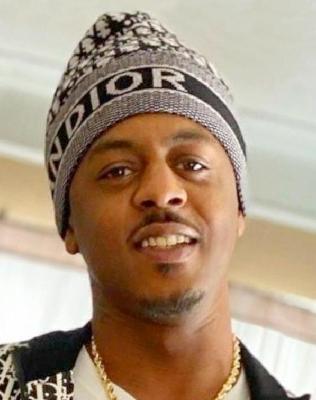
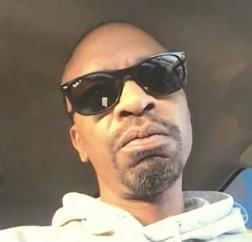
On a cold November day in Detroit, Michigan, the life of a young man was tragically cut short, leaving a family engulfed in grief and a community searching for answers. Roosevelt Hicks, a 23-year-old male, was killed on November 20, 2013, in an act of violence that added his name to the city's long list of unsolved homicides. His death is a stark reminder of the challenges that have faced the city, where thousands of murders have occurred since the 1980s, with a significant number of them, including Hicks's, remaining unresolved.
In the years that have passed since Roosevelt Hicks's death, his case has become a cold file, one of many that the Detroit Police Department's Cold Case Unit continues to investigate. Despite the passage of time, the hope for justice has not entirely faded. Law enforcement authorities and community organizations have periodically renewed calls for public assistance, encouraging anyone with information to come forward. Initiatives such as cold case webpages and the work of organizations like Crime Stoppers aim to generate new leads that could break the silence surrounding these unresolved crimes.
The lack of closure in cases like that of Roosevelt Hicks highlights the complex and often frustrating nature of homicide investigations, especially in a city that has contended with resource limitations and a high volume of violent crime. For his family and for the community, his death represents more than just a statistic; it is a personal tragedy and a wound that cannot fully heal without accountability. The investigation into the death of Roosevelt Hicks remains open, a quiet but persistent search for the truth and for the person or persons responsible for his untimely demise. As of now, there have been no arrests made and no suspects publicly identified in connection with his killing.