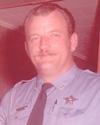
Elton Joseph Ponthier, a 33-year-old male, died from gun violence on February 4, 1967, in the small Avoyelles Parish community of Belledeau, Louisiana. In the quiet of that rural place—where people knew one another by name and landmarks mattered as much as addresses—his death landed like a sudden storm, breaking the ordinary rhythm of a winter day.
Contemporary reporting tied the killing to a 67-year-old man named Adreas Neucere, described as someone who operated a small store near
his home. The account sketched a swift, brutal sequence: Neucere shot Ponthier, and the sound of the gunfire carried far enough to draw the attention of Ponthier’s teenage son. The same report said the son—identified as 19-year-old Bobby Joe—rushed toward the commotion, arriving in time to confront what had happened, and Neucere was then shot to death.
Because the man identified as Ponthier’s killer was himself killed almost immediately, the usual march of a homicide case—arrest, interrogation, charges, a courtroom reckoning—did not unfold in any ordinary way. Instead, the “suspect” in the death of Elton Ponthier was also a deceased participant in the same violent episode, leaving no later arrest record or trial narrative to follow for the shooting that took Ponthier’s life. In the telling preserved from that time, the event closed on itself within moments, with the aftermath shifting from pursuit to mourning.
Funeral services for Elton Joseph Ponthier were held at St. Martin’s Catholic Church in Belledeau, with burial in the church cemetery under the direction of Escude’s Funeral Home of Mansura. Notices from the period described a family left behind to carry the weight of what happened, including a son, Ronnie Paul Ponthier of Belledeau, among other relatives named in the service announcement. In a community measured by parish lines and family ties, the record that remains is not only the violence of that February day, but also the gathered rites that followed—neighbors and kin assembling in church, and a final procession to the cemetery in the same place where the tragedy occurred.