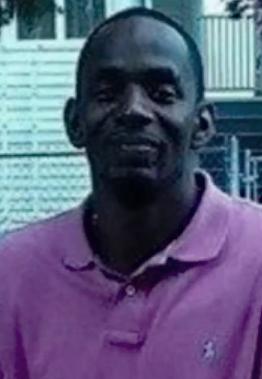
In the Dorchester neighborhood of Boston, a tragic and prolonged story began to unfold on November 5, 2008. Akanimo Uko, a 31-year-old Black man, was shot at 58 Bowdoin Avenue. The immediate aftermath of the shooting did not claim his life, but it marked the beginning of a long and arduous struggle with the injuries he sustained.
For seven years, Uko lived with the consequences of that violent night. The specifics of his injuries and the daily challenges he faced remain largely untold in public records. His life was irrevocably altered, a silent testament to the lasting trauma of gun violence. On an unknown date in 2015, Akanimo Uko succumbed to the injuries he had carried for so long. His death, years after the initial crime, was a direct result of the shooting that had occurred nearly a decade earlier.
The following year, in 2016, the medical examiner made a significant determination: Akanimo Uko's death was officially ruled a homicide. This ruling reclassified the original assault and opened a new chapter in the quest for justice. The Boston Police Department now faced a cold case, a homicide that was rooted in an event years prior.
Despite the official classification, the case of Akanimo Uko's death remains unsolved. Information regarding any potential suspects or arrests in the years following the 2008 shooting has not been publicly released. The investigation into his homicide continues, a quiet and unresolved entry in the city's log of violent crime. His name is also noted in broader discussions about the disproportionate number of unsolved killings of Black men in the United States. To date, no one has been held accountable for the shooting that ultimately took Akanimo Uko's life, leaving his story as a somber reminder of justice delayed and, as of now, denied.