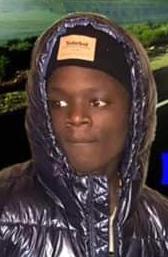
Ernest J. Carter, a 35-year-old African American male, tragically lost his life on July 14, 2013, in Chicago, IL. The circumstances surrounding his death were deeply troubling, as it was determined to be a homicide. Ernest was found with multiple gunshot wounds, which ultimately led to his untimely demise. The incident occurred in a neighborhood that had been experiencing a surge in violent crimes, adding to the community's distress and urgency for justice.
Following the discovery of
Ernest's body, the Chicago Police Department launched an extensive investigation to identify and apprehend the perpetrator(s) responsible for this heinous act. The investigation revealed that Ernest had been involved in an altercation earlier that day, which may have escalated into the fatal shooting. Witnesses reported hearing gunshots and seeing a vehicle speeding away from the scene, but initial leads were scarce.
As the investigation progressed, several suspects were brought in for questioning. Among them was a known gang member who had a history of violent behavior and was seen in the vicinity around the time of the shooting. Despite the efforts of law enforcement, concrete evidence linking this individual to Ernest's murder was insufficient, leading to a temporary stall in the case.
The community, deeply affected by Ernest's death, rallied together to demand justice. Vigils and marches were organized to honor his memory and to call for an end to the violence plaguing their streets. Local activists and family members of Ernest urged anyone with information to come forward, hoping to break the silence that often surrounds such crimes.
In the years following the murder, the case remained open, with detectives periodically revisiting old leads and exploring new ones. Advances in forensic technology and renewed efforts by the police eventually led to a breakthrough. A suspect was finally arrested and charged with Ernest's murder, bringing a sense of closure to his grieving family and the community.
The legal proceedings that followed were closely watched by many, as they represented not only a quest for justice for Ernest but also a broader fight against the cycle of violence in Chicago. The trial brought to light the challenges faced by law enforcement in solving such cases and the impact of community cooperation in achieving justice.
Ernest J. Carter's death serves as a somber reminder of the ongoing issues of gun violence and the importance of community solidarity in addressing these challenges. His legacy continues to inspire efforts to create safer neighborhoods and to support victims' families in their pursuit of justice.