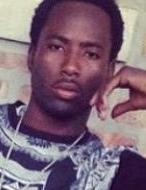
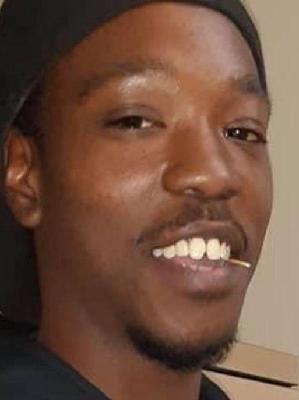
Jerome "Lil Boo" Anderson, a 22-year-old African American male, was tragically murdered on April 3, 2015, in Chicago, Illinois. Anderson, a member of the rap group Team600, was fatally shot in a drive-by shooting on the South Side of Chicago. The incident occurred in the Washington Park neighborhood, a location known for its high crime rates and gang-related activities.
Anderson was taken to Northwestern Memorial Hospital, where he was pronounced dead shortly after his arrival.
The murder of Jerome Anderson was a significant blow to his community and the local music scene. Anderson was known for his involvement in the Chicago drill music movement, which often highlights the harsh realities of life in the city's most dangerous neighborhoods. His death was not only a personal loss to his friends and family but also a stark reminder of the ongoing violence plaguing Chicago.
In the aftermath of Anderson's murder, there were no immediate arrests or suspects identified. The investigation into his death faced numerous challenges, including a lack of cooperation from potential witnesses and the pervasive fear of retaliation among community members. Despite these obstacles, law enforcement officials continued to pursue leads and gather evidence in hopes of bringing those responsible to justice.
Over time, the case of Jerome Anderson's murder has seen some developments. Various individuals have been questioned, and there have been ongoing efforts to piece together the events leading up to the shooting. However, as of now, no one has been formally charged or convicted in connection with his death. The lack of resolution in this case underscores the broader issues of unsolved homicides and the difficulties faced by law enforcement in addressing gang-related violence in Chicago.
Jerome Anderson's death remains a poignant example of the tragic consequences of gun violence in urban communities. His story is a testament to the need for continued efforts to combat crime and provide support to those affected by such senseless acts. The legacy of "Lil Boo" lives on through his music and the memories of those who knew him, serving as a reminder of the human cost of violence and the importance of seeking justice for all victims.