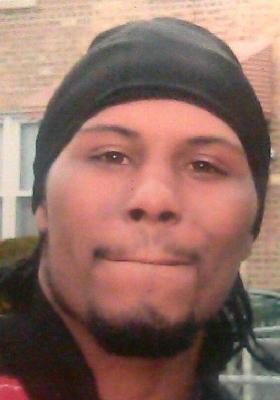
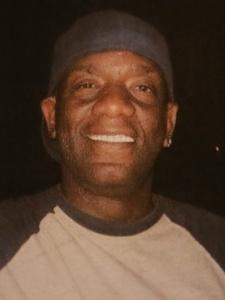
David L. Easley, a 26-year-old African American male, was fatally shot on May 21, 2016, in the Englewood neighborhood of Chicago, Illinois. Easley was in the neighborhood delivering a pair of shoes to his daughter when he was shot around 7:40 p.m. in the 7000 block of South Carpenter. He had been standing in the block and visiting with his daughter when a group of males walked by and flashed gang signs at him.
Easley sent his daughter away, and soon after, two males walked out of a nearby gangway with their heads covered. One of the males fired twice, striking Easley once in the back. He was taken to Christ Medical Center in Oak Lawn, where he was pronounced dead.
The investigation revealed that Christian Sivels, a 19-year-old alleged member of the Goonie faction of the Gangster Disciples, was charged with first-degree murder in connection with Easley's death. Sivels was denied bail on the charge during a hearing at the Leighton Criminal Court Building. Witnesses reported seeing Sivels use a T-shirt to load a gun at a stash house associated with the gang near 68th and Bishop streets. Another witness stated that when Sivels returned later, he allegedly said, "I f—ed him up," in reference to shooting Easley. Easley made further admissions to being the gunman that were recorded as part of a federal investigation. The gun used to shoot Easley was recovered three days later about a block away after it was used in another shooting. Prosecutors believe Easley was mistaken for a member of the Cash Money Boys gang, which was feuding with the Goonie Gang, when he was standing in the block with his daughter.
Sivels was charged with the shooting while in detention at the Cook County Jail, where he was being held on unrelated charges. His next court date was scheduled for November 15, 2018. The case against Sivels was part of a larger federal and state investigation into the Goonie faction of the Gangster Disciples, which resulted in racketeering and murder charges against several high-ranking members of the gang. The investigation revealed that the Goonie gang had been involved in a longstanding, violent feud with several rival gang factions in the Englewood neighborhood of Chicago. During this conflict, Goonie members and their associates allegedly murdered and assaulted rivals, stole firearms to arm themselves, and violently prevented witnesses from cooperating with law enforcement. Goonie members posted comments, photographs, and videos on social media, openly proclaiming their membership in the gang and boasting about its violent acts.