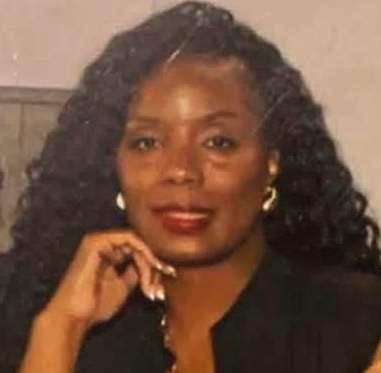
Dr. Tamara E. O'Neal, a 38-year-old African American woman, tragically lost her life on November 19, 2018, in Chicago, Illinois. She was an emergency room doctor at Mercy Hospital, where she was fatally shot by her former fiancé, Juan Lopez, in the hospital parking lot. The incident began when O'Neal and Lopez had an argument in the parking lot, which escalated when Lopez pulled out a gun and shot her multiple times.
O'Neal managed to call 911 before collapsing, alerting authorities to the situation. As police officers responded to the scene, Lopez entered the hospital and continued his shooting spree, killing another hospital employee and a Chicago police officer, Samuel Jimenez, before taking his own life. Witnesses reported that Lopez appeared to be targeting O'Neal specifically, and the couple had recently broken off their engagement.
The tragic event sent shockwaves through the community and highlighted the issue of domestic violence and its potential to escalate into public violence. O'Neal was remembered fondly by her colleagues and friends, who described her as a dedicated and compassionate doctor who had a promising future ahead of her. Her death was a profound loss to her family, friends, and the medical community.
The investigation into the shooting revealed that Lopez had no prior criminal record, but there were indications of previous troubling behavior, including being expelled from the city's firefighting academy in 2014 for threatening a female cadet. The incident raised questions about the effectiveness of background checks and the need for better support systems for individuals exhibiting signs of potential violence.
In the aftermath of the shooting, the hospital and the community came together to honor O'Neal's memory and to support her family. The tragedy also prompted discussions about workplace safety and the importance of mental health support for both employees and their families. O'Neal's legacy continues to inspire those who knew her, and her story serves as a reminder of the devastating impact of domestic violence and the importance of addressing it proactively.